Today, aluminum foil is recognized in the pharmaceutical industry as one of the primary elements of medicine packaging. Medicine is a product that directly impacts human health, and any change in its quality or contamination can endanger patients’ lives. For this reason, the use of pharmaceutical aluminum foil has become widespread globally, turning into a global standard for safe packaging. These types of foils not only block the penetration of moisture and light but also prevent changes in the chemical composition of the medicine, providing ideal storage conditions for pharmaceuticals.
Alongside these features, the importance of secure pharmaceutical foil for patients is so high that many international pharmaceutical organizations have made its use a legal requirement. Patients must be certain that the medicine they consume has reached them without any alteration or tampering. This has led pharmaceutical companies to pay special attention to choosing the best type of foil, while foil manufacturers constantly strive to improve the quality and security of their products day by day. In this article from the Tolou Navard Pars website blog series, we will examine these factors.
The Role of Aluminum Foil in the Pharmaceutical Industry and Patient Safety
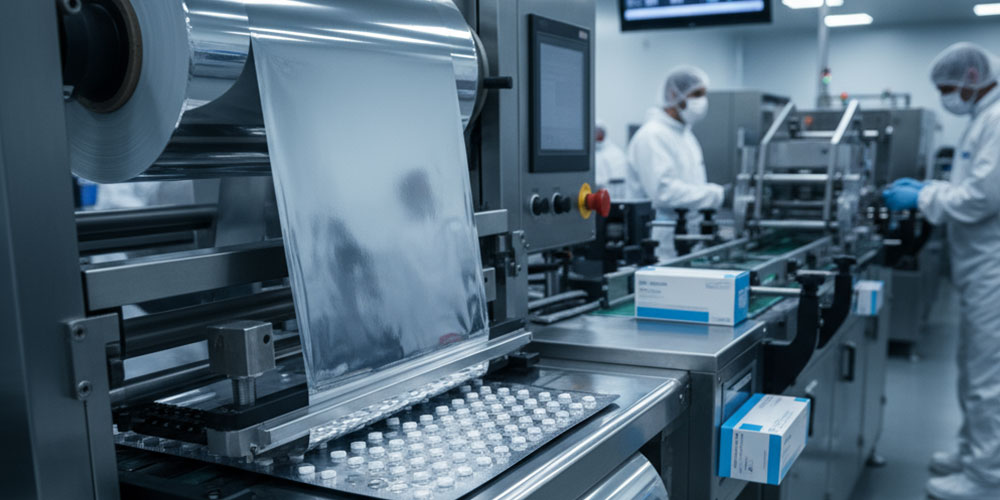
Aluminum foil acts as a protective barrier in the pharmaceutical industry, and its role goes far beyond simple packaging. Medicines are often highly sensitive to environmental factors such as moisture, oxygen, and light. Without proper packaging for these products, there is a risk of alterations in the medicine’s chemical composition, reduced efficacy, and even the occurrence of side effects. Aluminum foil ensures that medicines maintain their original quality until the moment of consumption, reaching the patient without any safety concerns.
On the other hand, the issue of secure pharmaceutical foil for patients becomes crucial when we consider that counterfeit and smuggled medicines represent a major global problem. Many counterfeit drugs are distributed in poor-quality packaging, which puts patients at serious risk. When medicine is packaged using aluminum foil, tampering becomes virtually impossible. This unique feature is why regulatory organizations consider the use of aluminum foil to be one of the primary strategies for preventing the distribution of counterfeit drugs.
It is noteworthy that pharmaceutical security does not only mean preventing contamination or counterfeiting; rather, it is also considered part of the process of building trust between the patient and the physician. When a patient is confident that their medication is supplied in standard and secure packaging, they feel greater assurance regarding its consumption. Therefore, it can be said that aluminum foil in the pharmaceutical industry is not only a tool for preserving medicine quality, but also a bridge for establishing trust and psychological security for patients.
?Why is Pharmaceutical Aluminum Foil the Best Choice for Packaging
One of the main reasons for choosing aluminum foil in the pharmaceutical industry over other packaging materials is its high resistance to environmental factors. Many medicines must be stored in a dry environment away from light to prevent their active compounds from degrading. Due to its impermeable structure, aluminum foil completely provides these conditions.
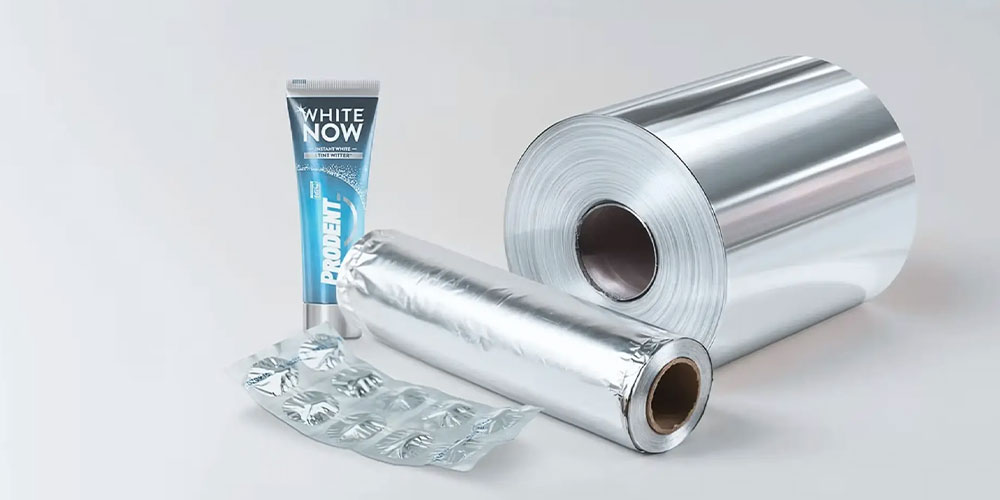
For example, light-sensitive medicines may lose their quality if packaged with plastic or paper materials; however, using aluminum foil prevents this problem. Another advantage of aluminum foil in the pharmaceutical industry is that, despite its high resistance, it has a very low weight. This feature makes the transportation of medicines simpler and more cost-effective. Furthermore, the excellent formability of this material allows it to be used in various packaging formats. From individual blister packs to multi-layer laminates, all can be produced using aluminum foil.
This very versatility in application has led pharmaceutical manufacturers to turn to the widespread use of this material. From an economic perspective as well, using secure pharmaceutical foil for patients benefits pharmaceutical companies in the long run. Although the initial cost of manufacturing and procuring foil might be slightly higher than some simpler packaging options, reducing the damages caused by medicine spoilage and increasing customer trust ultimately leads to greater profitability. This is why many pharmaceutical companies worldwide have made special investments in the production and use of aluminum foil, considering it the best choice for packaging.
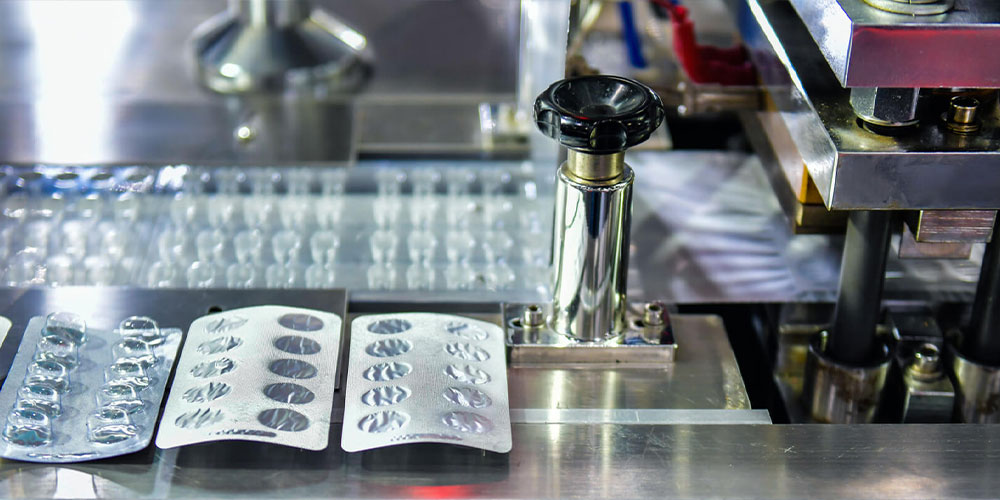
The Importance of Secure Pharmaceutical Foil for Patients in Reducing Medication Risks
The issue of secure pharmaceutical foil for patients becomes highly prominent when we consider that a large portion of global problems in the medicine sector occurs due to counterfeiting and tampering with products. Counterfeit medicines not only lack the necessary efficacy but can also pose serious health risks. The use of aluminum foil ensures that medicine packaging is impermeable and tamper-evident. This feature makes any alteration or opening of the medicine package obvious to the consumer, thereby minimizing the possibility of distributing counterfeit drugs.
In addition, aluminum foil in the pharmaceutical industry plays a key role in maintaining drug safety due to its high resistance to external contamination. Environments such as pharmacies or storage warehouses may not always have ideal conditions, exposing medicines to moisture or dust. Packaging with aluminum foil ensures that even under such conditions, the composition of the medicine remains unchanged. This means the patient consumes a drug that retains the exact same quality it had on its very first day of production.
Another important point is that aluminum foil plays a significant role in improving the patient experience within the pharmaceutical industry. When patients receive their medication in safe, high-quality packaging, they feel more assured. This trust, in addition to improving medication adherence, also strengthens the relationship between the patient and the healthcare system. Therefore, it can be said that safe pharmaceutical foil is not just packaging for the patient; rather, it is considered an integral part of the healthcare and treatment process.
The Manufacturing Process of Aluminum Foil in the Pharmaceutical Industry
The manufacturing process of aluminum foil in the pharmaceutical industry is designed to guarantee the highest level of quality and safety. This process typically begins with the production of aluminum sheets. After preparation, these sheets undergo a metal rolling operation to reach extremely thin thicknesses. Precision at this stage is of utmost importance, as the slightest error can reduce the foil’s resistance and affect the final quality. Companies like Tolou Navard Pars use modern equipment in this field to deliver quality that complies with international standards.
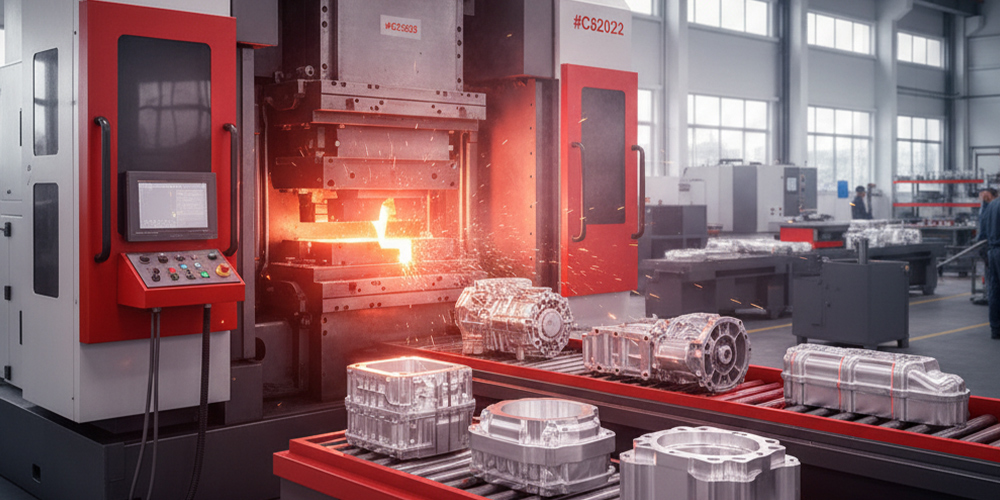
One of the important stages in producing pharmaceutical foils is the use of continuous casting methods. This method ensures that the metal is formed uniformly, resulting in higher final foil quality. Following that, die casting or high-pressure casting is also used in some cases to manufacture specific components. Combining these processes with precision rolling leads to the production of a foil that, in addition to being lightweight and flexible, possesses high mechanical and chemical resistance.
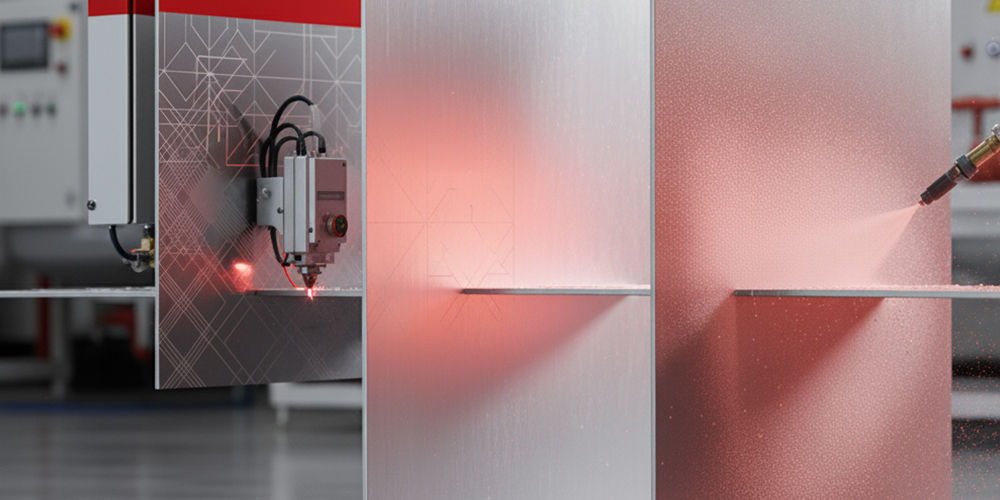
The final stage of production involves heat treatment and coating operations to prepare the foil for use in pharmaceutical packaging. In this section, specific coatings are applied to the surface of the foil to prevent it from reacting with pharmaceutical substances. The final result is the product known as aluminum foil in the pharmaceutical industry, which can protect medicines against any environmental or chemical threats. This complex and precise process demonstrates the high importance of foil in the pharmaceutical industry and the necessity of having reliable suppliers.
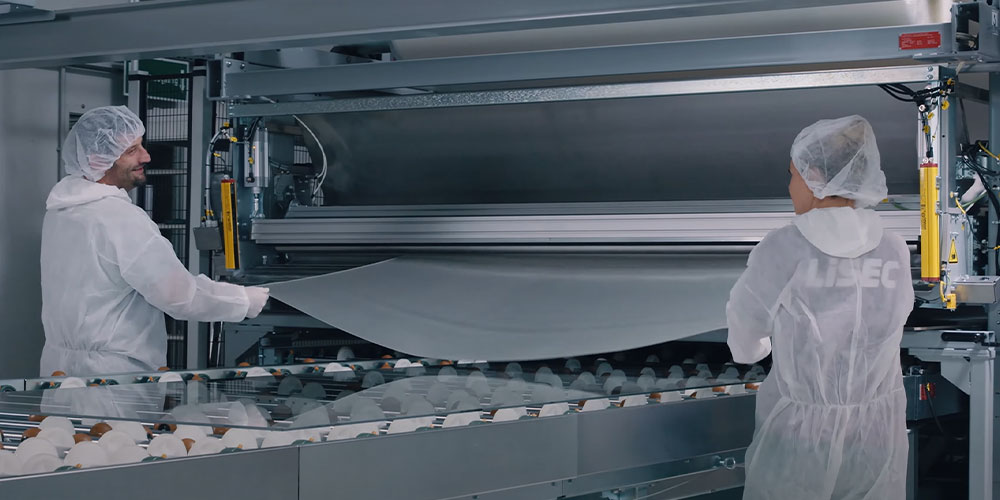
Advantages of Using Aluminum Foil in the Pharmaceutical Industry
When speaking of aluminum sheets for the pharmaceutical industry, there are numerous advantages that have made it the top choice for pharmaceutical companies. The most important advantage is the impermeable property of the foil. This material does not allow any light, air, or moisture to pass through, which consequently increases the shelf life of the medicine. Many sensitive drugs lose their efficacy if packaged with conventional materials; however, using aluminum foil in the pharmaceutical industry ensures that the drug’s quality remains unchanged until the time of consumption.
Another advantage of this type of foil is its high printability. Pharmaceutical companies can print important information such as production date, expiration date, batch number, and even consumption warnings directly onto the packaging. This feature plays a significant role in raising patient awareness. On the other hand, printing information on the foil also reduces the likelihood of counterfeiting and forgery, acting as a form of secure pharmaceutical foil for the patient.
Additionally, due to their high flexibility, aluminum foils can be used in various shapes and dimensions. Whether in individual blister packs or multi-layer laminates, the foil delivers the best performance. This flexibility, combined with high strength, has left the pharmaceutical industry with no better alternative to aluminum foil. Its extensive advantages not only help preserve medicine quality but also contribute to improving the consumer’s experience.
Conclusion
Based on the points mentioned, the importance of aluminum foil in the pharmaceutical industry goes beyond simple packaging. As a powerful protective layer, this material shields medicines from environmental factors such as moisture, light, and contamination, preserving their quality until the moment of consumption. The use of pharmaceutical aluminum foil has increased patient trust in medicinal products and reduced the risks associated with counterfeit or tampered drugs. On the other hand, the issue of secure pharmaceutical foil for the patient demonstrates that standard packaging is an inseparable part of the healthcare and treatment process.
In this regard, the role of reputable domestic companies like Tolou Navard Pars is highly prominent. By supplying products such as aluminum sheets and aluminum circles, as well as providing metal rolling services, this complex has succeeded in becoming recognized as one of the most important suppliers to the country’s pharmaceutical industries. In addition, the presence of such complexes has contributed to the development of other sectors, such as continuous casting, die casting, and the parts manufacturing industry.
Ultimately, investing in aluminum foil and aluminum in medical equipment is an investment in public health. Choosing the right packaging not only guarantees the quality of medicines but also wins the trust of patients and doctors. For this reason, the importance of aluminum foil is undeniable, not only in the pharmaceutical industry but across the entire healthcare chain.