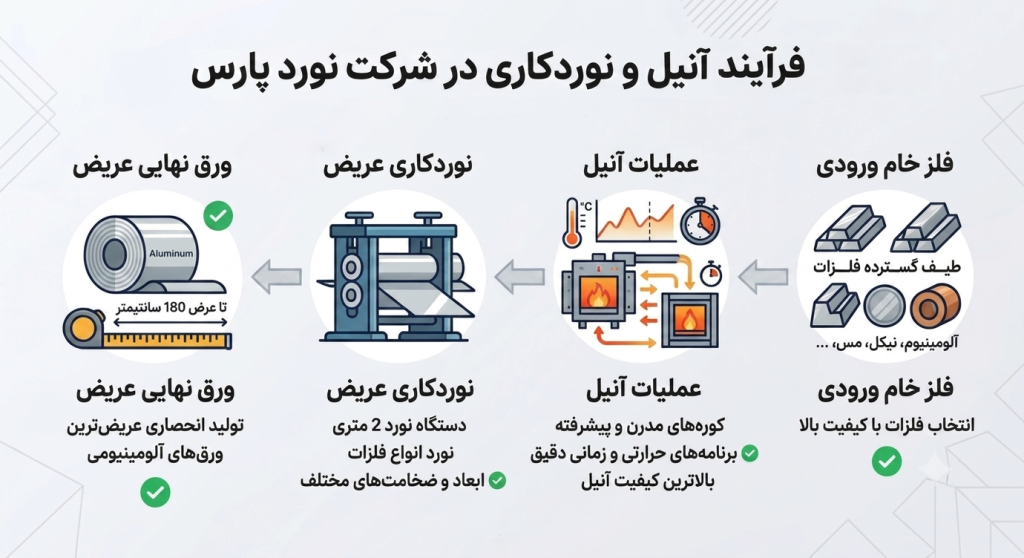
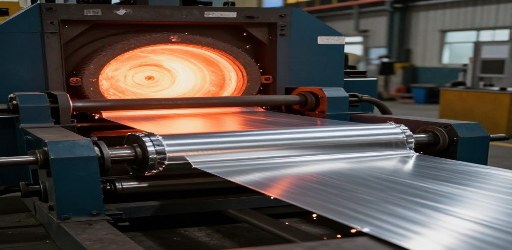
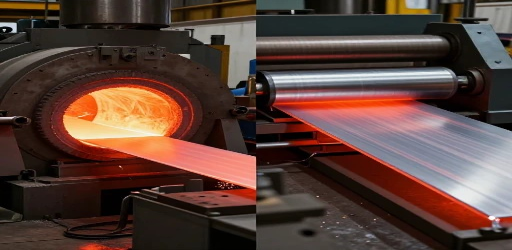
Annealing and rolling are two distinct but closely related processes in the production of aluminum products. During the rolling process, aluminum is passed through a series of rollers to reduce its thickness and achieve the required dimensions. Annealing is a controlled heat treatment process used to modify the mechanical properties of aluminum, reduce the effects of work hardening, and improve its formability.
How Does Annealing Affect the Properties of Aluminum?
During the annealing process, aluminum is subjected to a specific temperature and time cycle based on the alloy type, initial condition, and required properties. This process can reduce hardness caused by cold working, improve formability, and relieve internal stresses within the material.
- Improved Ductility and Formability
- Reduced Hardness Caused by Cold Working
- Reduction of Internal Stresses
- Better Material Preparation for Subsequent Forming Processes
General Stages of Aluminum Annealing
Stage 1: Determining the Heat Treatment Program
The annealing temperature and duration are determined based on the alloy type, material thickness, and the required properties of the final product.
Stage 2: Heating and Holding
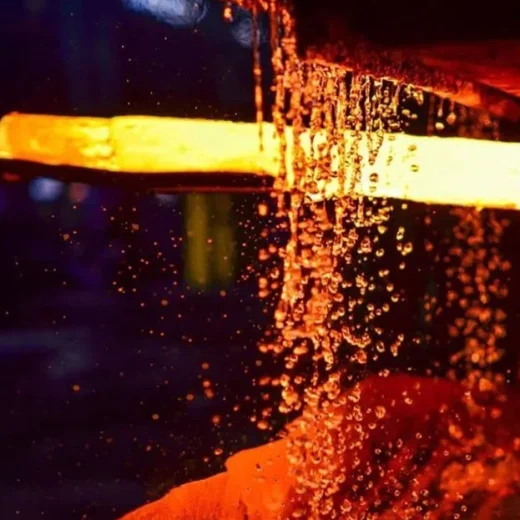
The component or sheet is heated in a controlled manner to the specified temperature and held at that temperature for a defined period to achieve the desired structural changes in the material.
Stage 3: Controlled Cooling
After the holding period is complete, the product is cooled under controlled conditions according to the alloy type and the specific process requirements.
Types of Aluminum Annealing Processes
Aluminum annealing and rolling can be carried out using various methods, each with its own specific characteristics. These methods are described below.
Full Annealing
In full annealing, aluminum is heated to an appropriate temperature range based on the alloy type. After being held at the specified temperature for a defined period, it is cooled under a controlled cycle to achieve a softer material condition and improved formability.
Intermediate Annealing
In longer metal production processes, intermediate annealing may be performed at one or more stages. This process softens the metal between forming operations, making it easier to reshape and further process the material.
Stress-Relief Annealing
In this method, stress-relief annealing is performed at a lower temperature. Its primary purpose is generally not to reduce the hardness of the metal, but rather to relieve internal stresses and help prevent deformation or distortion.
FAQ
?Do All Aluminum Alloys Respond to Heat Treatment in the Same Way
No. Aluminum alloys respond differently to heat treatment, depending on the type of alloy and its specific condition.
?How Does Annealing Affect Aluminum Sheets
Annealing can reduce the hardness caused by cold rolling and improve the formability of aluminum sheets. The extent of these changes depends on the alloy type, temper, temperature, and duration of the heat treatment.
?What Are the Common Mistakes in Aluminum Annealing and Rolling
Selecting an inappropriate temperature or holding time, uneven furnace temperature, and improper cooling conditions are among the most common causes of problems during the annealing process. The heat treatment program should be carefully determined based on the alloy type, material thickness, and desired product properties.