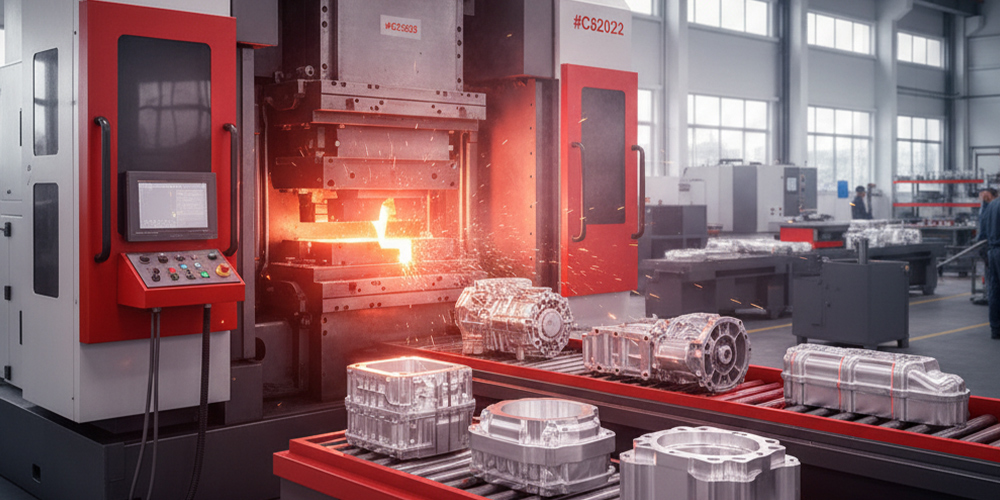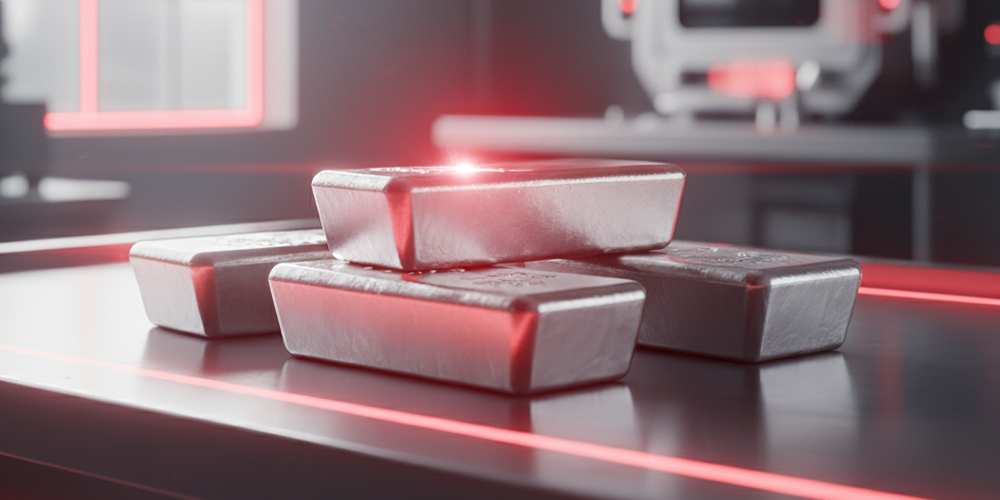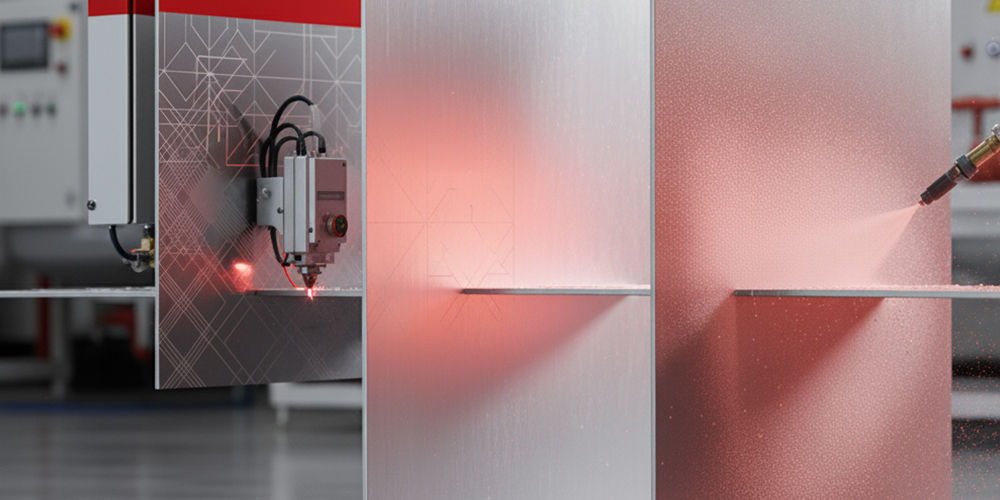
Aluminum has many unique properties such as lightweight, corrosion resistance, and high formability, which make it one of the most widely used metals in various industries. Naturally, the surface of aluminum is covered with a thin oxide layer that can affect both the performance and the final appearance of the product. Considering this characteristic, aluminum sheet surface treatment has become a very important stage in the production process. Aluminum surface treatment methods include mechanical, chemical, and electrochemical processes, each of which serves a specific purpose.
These processes and aluminum surface treatment methods have a significant impact on the appearance of the product and improve properties such as wear resistance, durability, and the adhesion of subsequent coatings. In aluminum sheet surface treatment, surface preparation is the first and most important step, as it creates a suitable surface for receiving the final coating. To learn more about aluminum surface treatment methods, please continue reading this article on the Nard Pars website.
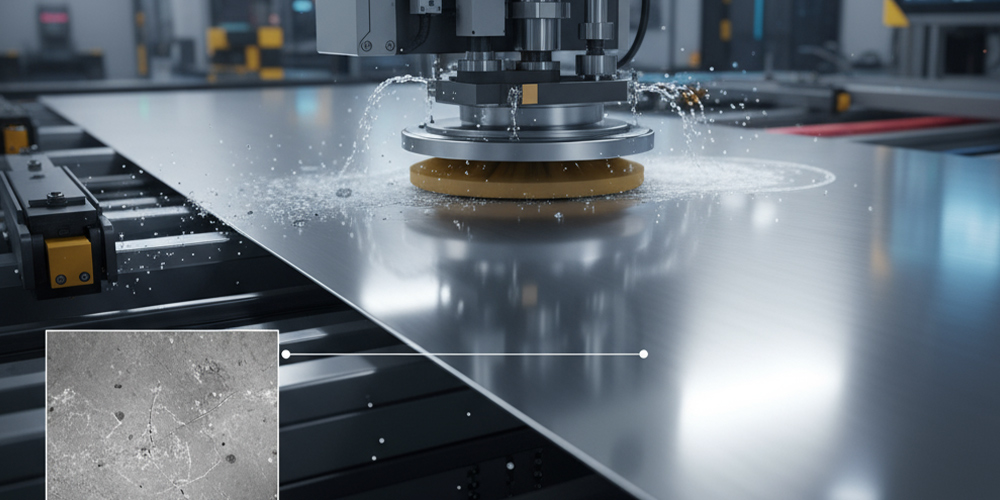
Why is aluminum sheet surface treatment necessary?
Aluminum surface treatment is not only for improving aesthetic appearance; rather, it is intended to enhance performance and increase the lifespan of aluminum sheets and final products. When aluminum is exposed to atmospheric oxygen, it quickly forms a thin and unstable oxide layer on its surface. Although this layer provides some level of protection, it is uneven and thin and cannot effectively resist harsh environmental conditions. Therefore, aluminum sheet surface treatment, by creating a stable protective layer, can significantly improve the corrosion resistance of aluminum sheets.
This process can create a smooth and uniform surface that helps prevent the accumulation of moisture and microorganisms. In addition, aluminum surface treatment methods may also increase surface hardness, wear resistance, and other properties. These aluminum sheet surface treatments are widely used in industries such as aerospace, automotive, and construction, where durability and strength are critical, and they help produce a high-quality and successful final product.
Surface preparation of aluminum before treatment
To achieve success in aluminum sheet surface treatment processes, surface preparation is considered one of the fundamental steps. If this surface preparation is not performed correctly, even the best coatings may develop bubbles or detach. The first step in surface preparation is cleaning, during which oils, greases, and surface contaminants must be removed from the aluminum sheet. For cleaning aluminum surfaces, mild alkaline detergents or organic solvents are typically used.
At this stage, the selection of an appropriate cleaning agent is also very important and depends on the type of contaminant present on the surface. After this step, a complete rinsing with clean water must be carried out during the preparation of aluminum sheet surface treatment to remove any remaining chemical residues. Etching is also a chemical process that slightly modifies the aluminum surface to improve the adhesion of subsequent coatings. In this step, the aluminum surface is placed in a controlled acidic or strong alkaline solution.
The etching level must be precisely controlled, as excessive etching can damage the metal surface. After these steps, thorough rinsing must be performed again. These preparation processes chemically and physically prepare the aluminum surface to accept the best possible coating.
Introduction to aluminum surface treatment methods
Aluminum surface treatment methods are generally divided into different categories such as mechanical, chemical, and electrochemical processes, each of which has its own specific applications. Aluminum sheet surface treatment using these methods not only enhances the aesthetic appearance but also improves protection and increases the resistance of the aluminum surface coating.
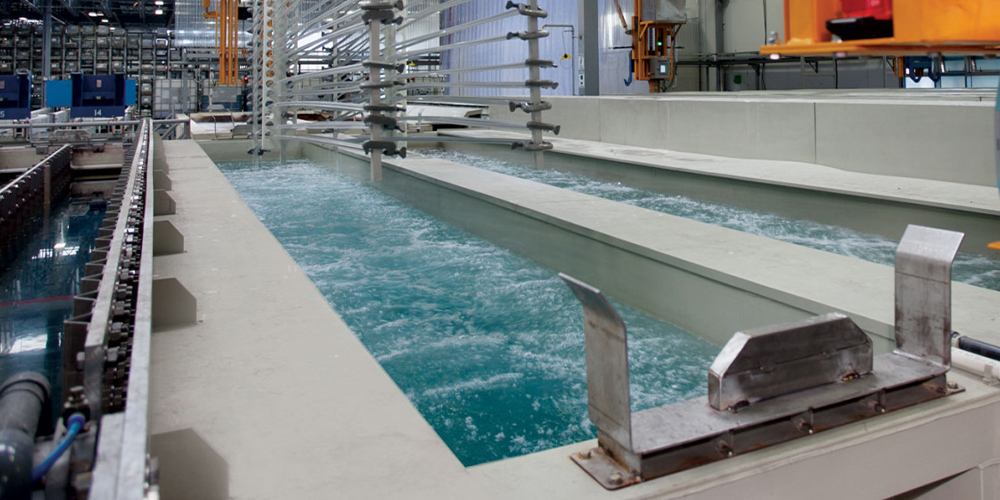
۱. آنودایزینگ (Anodizing)
Anodizing is an electrochemical process and is known as one of the most popular and effective methods for aluminum sheet surface treatment. In this method, aluminum is placed in an acidic solution, which leads to the formation of an aluminum oxide layer on the surface. The main purpose of anodizing is to protect aluminum. Through the anodizing process, the corrosion resistance of the aluminum surface is increased, and the material maintains its appearance for a longer period. This hard and durable layer also protects the underlying aluminum, making it a more long-lasting final product.
2.Aluminum sheet surface treatment with Powder Coating
In this method, a polymer-based colored powder is electrostatically sprayed onto the aluminum surface. The aluminum part is then heated in a curing oven so that the powder coating melts and forms a continuous liquid film. After curing, a strong bond is created between the coating and the aluminum. This coating is highly durable and thick.
3.Mechanical Polishing
Polishing is used to create a smooth and glossy surface for aluminum sheets as one of the surface treatment methods. Polishing is performed using rotating tools along with materials such as cloth or wool pads and specialized polishing compounds, making it one of the best methods for achieving a bright aluminum finish. This process helps remove surface irregularities, ultimately producing a high level of shine. However, this method does not create any protective layer, so it is often combined with a transparent coating for better protection.
4.Aluminum sheet surface treatment: Brushing
Brushing is also a mechanical process used to create a linear and uniform texture on the aluminum surface. This is done using wire brushes or similar tools. The texture produced by this method gives the aluminum surface a modern and aesthetically pleasing appearance and can even help mask minor scratches. In addition, using this surface treatment method ultimately improves the surface resistance of aluminum against scratches and abrasion.
5.Wet Painting
This method is known as a traditional aluminum sheet surface treatment process, in which liquid paint is applied to the prepared aluminum surface. It produces an aesthetically pleasing final product with a more uniform finish. There are no limitations regarding the dimensions of the aluminum in this method; however, it has lower durability and thickness compared to other methods such as powder coating. In addition, it requires a high level of skill to apply.
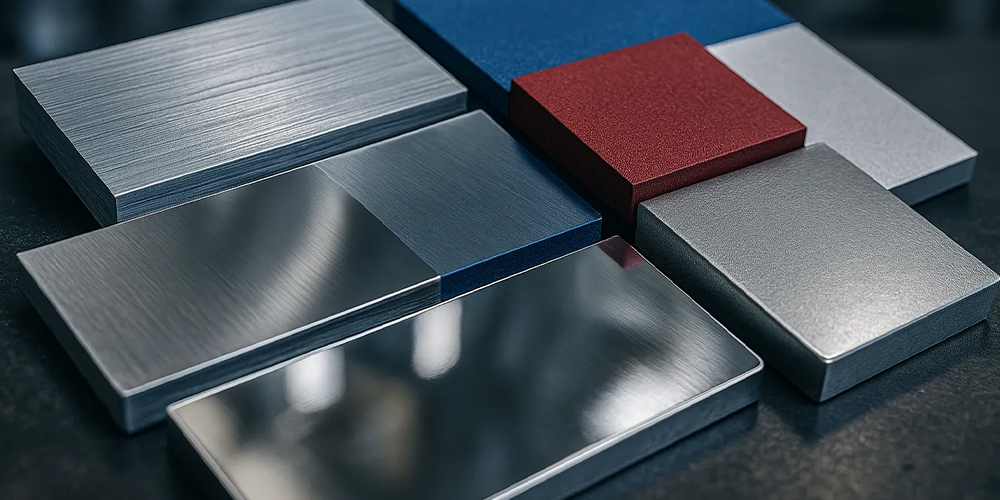
Comparison of aluminum surface treatment methods and selection of the best method
To select the best method for aluminum sheet surface treatment, several factors must be considered, the most important of which are the final application, environmental conditions, budget, and similar constraints. Each aluminum surface treatment method has its own advantages and disadvantages, which can provide optimal resistance while maintaining the metallic appearance of aluminum. Therefore, selecting the best surface treatment method for aluminum sheets requires a thorough evaluation of the project requirements.
In general, for external components exposed to weathering factors, anodizing or powder coating are much more suitable options. In contrast, for internal parts where aesthetics and brightness are the priority, and considering the difference between aluminum polishing and brushing, polishing or brushing can be a more appropriate choice.
| Characteristics | Anodizing | Powder coating | Mechanical polishing | Brushing |
| Corrosion resistance | Excellent | Excellent | Weak | good |
| Wear resistance | Excellent | Very good | Weak | good |
| Durability and lifespan | Very high | up | Medium | good |
| Metallic colors | Metallic colors | Very high | None (natural color) | None |
| Final appearance | Metallic, matte or glossy | Thick, matte | Mirror-like, highly glossy | Linear, matte |
| Cost | up | Medium | Low to medium | Medium |
| Main applications | Aerospace, construction | Construction, automotive | Decor, luxury accessories | Decor, panels |
Conclusion
Navard Pars Company, with over four decades of experience in the aluminum rolling industry, is recognized as one of the leading manufacturers of aluminum sheets and billets. With expertise in producing high-quality aluminum products, it plays an important role in the supply chain of various industries. For more information about our services, you can simply contact the professional experts at Navard Pars.
شرکت نورد پارس با بیش از چهار دهه تجربه در صنعت نورد آلومینیوم، بهعنوان یکی از پیشروان تولید ورق و گردههای آلومینیوم شناخته میشود که با تخصص در تولید محصولات آلومینیومی باکیفیت، نقش مهمی در زنجیره تامین صنایع مختلف دارد. برای کسب اطلاعات بیشتر در زمینه خدمات ارائه شده ما، فقط کافی است تا با کارشناسان حرفهای نورد پارس تماس بگیرید.