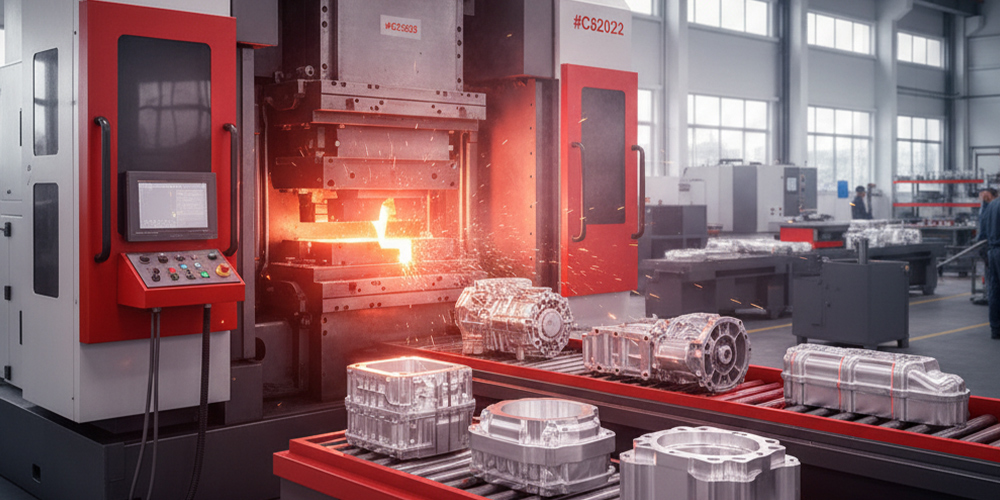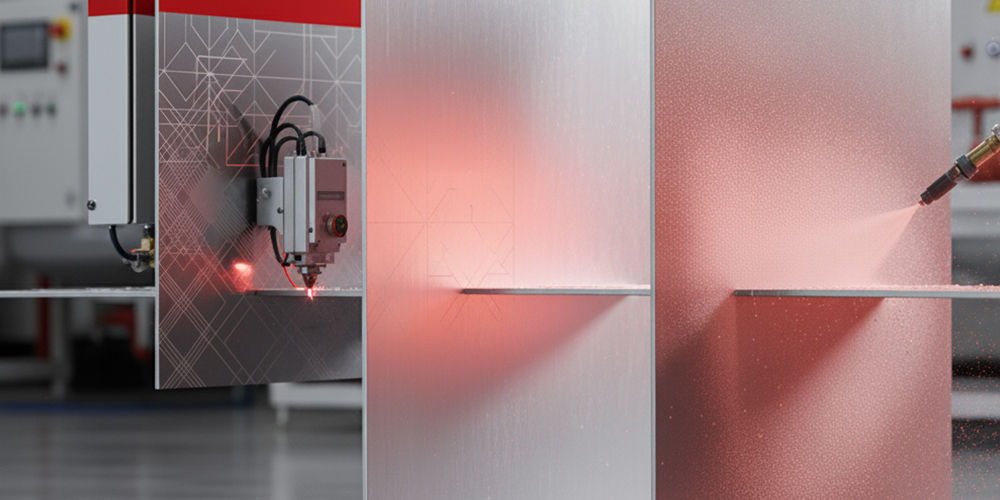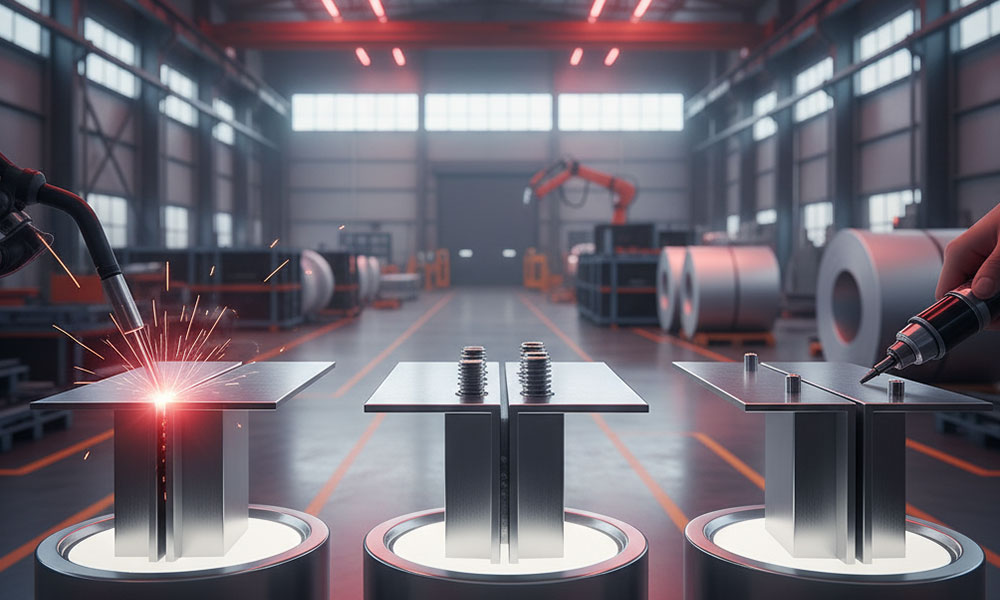
Aluminum sheet joining techniques play an important role in various industries, as this lightweight and durable metal requires precise methods to preserve its mechanical properties. From welding to riveting and bolting, each method has its own advantages and challenges. Different types of aluminum welding are used for permanent, high-strength connections, while bolting allows easier disassembly. These techniques have gained greater importance with technological advancements such as laser welding for higher precision. Aluminum sheets are widely used in industries such as automotive, aerospace, and construction, where secure joining contributes to weight reduction and improved durability.
The selection of an appropriate method depends on factors such as sheet thickness, operating environment, and maintenance requirements. For example, welding provides higher strength in high-stress environments, but it may cause thermal distortion. In contrast, riveting is suitable for fast, heat-free joining. Aluminum sheet joining techniques not only improve performance but also enhance efficiency through modern methods such as friction stir welding. To learn more about these aluminum sheet joining techniques and choose the best method, stay with us until the end of this article on the Nourd Pars website.
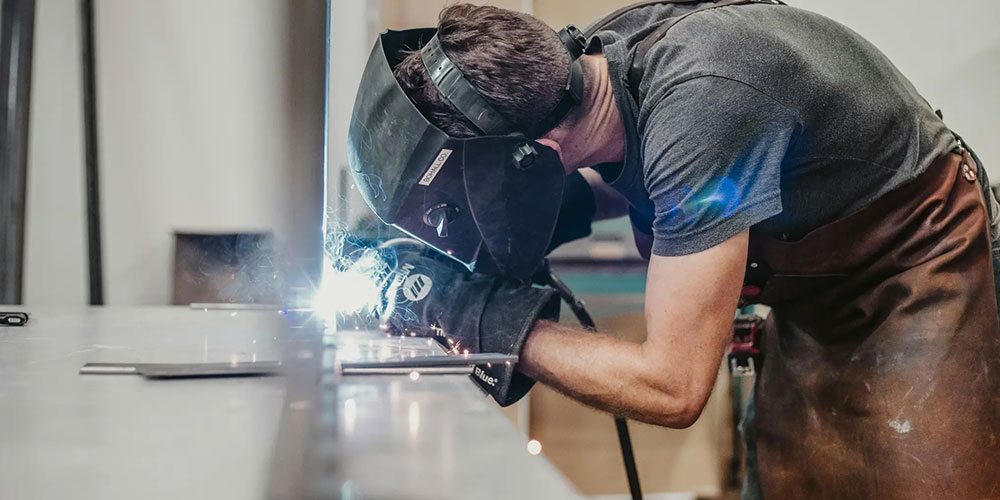
The importance of aluminum sheet joining in industries.
The joining of aluminum sheets in modern industries is very important and critical, as this lightweight and corrosion-resistant metal forms the foundation of many structures. Aluminum sheet joining techniques such as welding and riveting enable the production of complex parts and help reduce costs. In the automotive industry, precise sheet joining reduces fuel consumption by lowering the overall weight. Different types of aluminum alloy welding are used to create permanent joints in car bodies where high strength is essential.
Bolted connections of aluminum sheets are also used in easy maintenance applications, such as replaceable solar panels. In addition, in the aerospace industry, the importance of joining is greater due to high pressure conditions; methods such as riveting ensure greater durability for aircraft wings. In the construction industry, aluminum sheets are also used for facades, where aluminum sheet joining techniques help maintain both aesthetics and safety. Bolted connections are also widely used in temporary structures such as scaffolding.
These connections not only improve performance but also increase service life through the selection of appropriate materials. Their importance lies in reducing maintenance and repair costs, as weak connections can lead to failure.
Methods and techniques for joining aluminum sheets.
Aluminum sheet joining techniques include thermal and mechanical methods, each designed for specific conditions. Welding creates a permanent joint by melting the edges, but it requires heat control to prevent deformation. Aluminum welding methods such as TIG are used for high precision in thin sheets. In addition, riveting provides a fast connection by creating holes and pressing fasteners, making it a suitable choice for industries that require speed.
Friction stir welding, as a modern technique, creates a joint without melting and is suitable for sensitive sheets. Industrial adhesives are also used for joining without drilling holes; however, they have lower strength. Aluminum sheet joining techniques are also widely used with laser technology for micrometric precision in electronics. Different types of aluminum welding are also very suitable and practical for high-volume production. The selection of an appropriate aluminum sheet joining method depends on sheet thickness and the environment. These methods, with technological advancement, have also improved efficiency.
1.Aluminum sheet joining techniques: types of aluminum welding
Aluminum welding methods for sheet joining have been developed considering the metal’s sensitivity to heat and the heat resistance of aluminum sheets. Shielded gas welding is essential to prevent oxidation, as aluminum oxidizes rapidly. The main aluminum welding methods are as follows:
- TIG welding (Tungsten Inert Gas welding).
- MIG welding (Metal Inert Gas welding).
- Laser welding.
- جوشکاری اصطکاک همزنی (Friction Stir Welding)
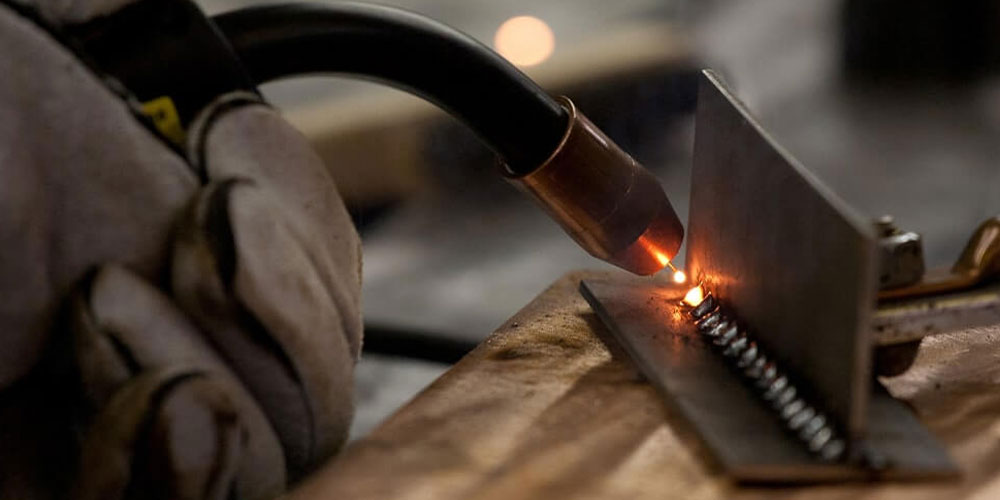
TIG welding, using a tungsten electrode, provides precise control and is highly suitable for thin sheets because it generates less heat. In MIG welding, a filler wire is used for high-speed mass production; however, it requires precise adjustment to prevent the formation of voids.
Laser welding, with its focused energy, minimizes deformation and is an excellent choice for high-precision applications in aerospace. In addition, friction stir welding creates a solid-state joint without melting and is suitable for thick sheets because it preserves mechanical properties. Aluminum sheet joining techniques using these welding methods ensure strength and reliability.
2.Aluminum sheet joining with bolts and nuts
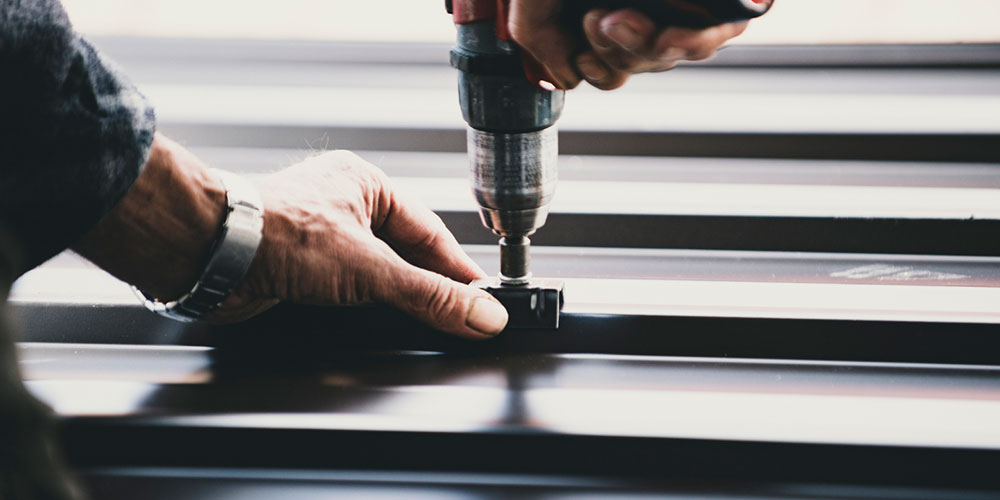
Bolted connection of aluminum sheets is a simple and reliable mechanical method that allows easy disassembly and maintenance. First, the sheets are drilled using special drills for aluminum to prevent cracking. Selecting compatible screws, such as stainless steel with zinc coating, is essential to prevent galvanic corrosion. Aluminum sheet joining techniques using this method are more common in construction and electronics industries because they do not require advanced equipment.
The use of lock nuts or thread-locking adhesives is recommended to prevent loosening in vibration environments. In general, aluminum welding methods create permanent joints, but bolts are a better choice for applications that require adjustment or replacement. Load distribution using large washers reduces stress and increases the service life of the connection.
In the automotive industry as well, this method is used for body panels because it does not add extra weight. Low cost and fast installation are the main advantages of this aluminum sheet joining method; however, proper tightening torque is required to prevent damage to the sheet. With advances in materials, composite bolts have been introduced to reduce weight.
3.Aluminum sheet joining techniques: how to rivet aluminum sheets
Riveting aluminum sheets is a process that begins by creating aligned holes in the sheets, after which a rivet is inserted and compressed to form a strong joint. Selecting aluminum or alloy rivets is essential to prevent corrosion. Aluminum sheet joining techniques using blind rivets are suitable when access is available from only one side, making them more common in enclosed structures. Manual or pneumatic tools are used to compress the rivet, and controlling the applied force is very important to prevent deformation of the sheet.
These aluminum sheet joining techniques using riveting, unlike thermal welding methods, do not generate heat and provide a strong and suitable joint without heating, making them an excellent choice for joining aluminum sheets that are sensitive to heat. In general, in the aerospace industry, rivets are used to connect aircraft wings and fuselage sections because they offer high resistance to vibration and stress. The advantages of using this joining technique include high speed and low cost; however, the connection is permanent and difficult to disassemble. This method is suitable for thin to medium-thickness sheets and also provides long-term durability.
Comparison of aluminum sheet joining methods
Aluminum sheet joining techniques such as welding, riveting, and bolting each have their own advantages and limitations. Welding provides high strength (up to 90% of the base metal) and is suitable for permanent joints in high-stress environments; however, heat may alter mechanical properties and it requires a high level of skill.
Translation:
Riveting also creates a fast and vibration-resistant joint, but the drilled holes weaken the sheet and disassembly is difficult. The bolting technique for aluminum sheet joining also offers good flexibility for repair and low cost; however, it may loosen under vibration and requires washers for load distribution. Aluminum welding methods such as TIG also increase precision, while bolted aluminum sheet connections prioritize simplicity.
| Method | Uses | Cost | Permanent / Detachable | Strength |
| Welding | Aerospace | Medium | Permanent | up |
| Bolt and nut / Bolted connection | Repairs | Down | Detachable | Medium |
| Rivet | car | Down | Permanent | up |
Criteria for selecting a suitable joining method
The selection of an appropriate aluminum sheet joining method depends on multiple factors that determine performance and cost. Considering the effect of aluminum sheet thickness on strength, aluminum sheet joining techniques must be compatible with the sheet thickness. For example, using welding methods for thin aluminum sheets can be very challenging. The operating environment also has a significant impact on choosing the appropriate technique. For instance, in environments with moisture or vibration, such as marine environments, riveting is a very suitable option. Aluminum welding methods are preferred where permanent joints are more important; however, for applications requiring frequent maintenance, bolts and nuts are a better choice. Budget and available equipment also play a very influential role in selecting the appropriate joining technique.
Some of the most important criteria for selecting aluminum sheet joining techniques:
- Required strength
- Detachment capability
- Cost of equipment and implementation
- Operating environment (humidity, vibration)
- Sheet thickness and type
Conclusion
Aluminum sheet joining techniques such as welding, riveting, and bolting each play a unique role in different industries, and their selection depends on project requirements. Aluminum welding methods create permanent strength, whereas bolted aluminum sheet connections are a very suitable choice for cases requiring maintenance and disassembly.
A comparison of these joining techniques shows that welding is a much more suitable and better choice for high-stress environments. Riveting is also appropriate for applications where connection speed is important. Finally, bolted connections are a better option for simpler applications that require detachability.
For selecting a suitable method and technique, specific criteria such as strength, cost, and environment must be considered to make better decisions. In general, with technological advancement, new methods such as laser welding have increased efficiency and made joining faster and more optimized.
Nourd Pars, with more than 40 years of experience in the aluminum rolling industry, is recognized as one of the leading producers of aluminum sheets and billets. We produce thin aluminum billets and sheets at Nourd Pars. You can contact us to purchase high-quality aluminum sheets, get in touch with Nourd Pars experts, and benefit from our services.