Aluminum sheets play a vital role in various industries, and selecting the most suitable alloy for each application can significantly impact both project performance and cost. Among the many aluminum sheet alloys available, 1050, 6061, and 8011 are among the most widely used and important. The differences between 1050, 8011, and 6061 aluminum sheets lie in their unique properties and characteristics, making each alloy suitable for specific industrial applications. 1050 aluminum is known for its high purity and excellent formability, while 8011 aluminum is designed for applications requiring enhanced corrosion resistance. Meanwhile, 6061 aluminum is valued for its high strength, excellent machinability, and versatility in structural applications.
Among the key characteristics of 6061 aluminum sheet are its high strength and heat-treatable properties, making it an excellent choice for engineering and structural applications. In general, the differences between 1050 and 8011 aluminum sheets mainly lie in their chemical composition and mechanical properties. These alloys also differ in price. 1050 aluminum sheet is generally more cost-effective than more complex alloys, while its price is largely influenced by global market conditions and industrial demand.
Each of these alloys has unique properties and serves different industrial applications. Understanding the differences between 1050, 8011, and 6061 aluminum sheets helps manufacturers choose the most suitable material for their specific needs. To learn more about the differences and specifications of 6061, 1050, and 8011 aluminum sheets, continue reading this article on the Nourd Pars website.
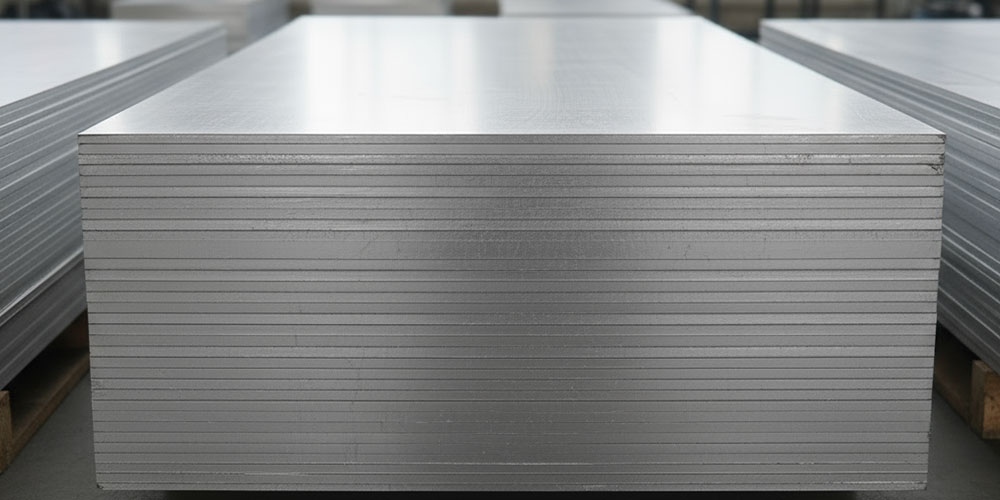
Introduction to 1050 Aluminum Alloy
1050 aluminum alloy is one of the purest aluminum alloys, containing more than 99.5% pure aluminum, with only small amounts of elements such as iron and silicon added. This alloy belongs to the 1000 series and is highly suitable for applications that require excellent formability and corrosion resistance. One of the main differences between 1050 and 8011 aluminum sheets is the higher purity of the aluminum in 1050, making it a more suitable choice for general-purpose applications.
In addition, this alloy is produced through rolling and extrusion processes and is commonly supplied in the O (annealed) or H (strain-hardened) temper. 1050 aluminum alloy is widely used in the electrical industry for manufacturing cables and electrical conductors due to its excellent electrical conductivity. It is also extensively used in the production of cookware and chemical processing equipment, as its smooth surface and outstanding resistance to chemical corrosion make it an ideal choice for these applications.
With advancements in technology, 1050 aluminum alloy has also become increasingly popular in lightweight packaging and automotive components. This alloy is fully recyclable, contributing to a circular economy and promoting sustainable manufacturing practices. Choosing 1050 aluminum sheet is an excellent option for projects where cost-effectiveness and high formability are top priorities, enabling manufacturers to produce high-quality products in an economical and efficient manner. It is worth noting that Tolou Nourd Pars specializes in the production of 1050 aluminum alloy, using state-of-the-art equipment and maintaining the highest quality standards.
Difference Between 1050 and 8011 Aluminum Sheets: Features of 1050 Aluminum Sheet
1050 aluminum sheet, with its high purity, offers unique mechanical and physical properties that make it suitable for a wide range of applications. It has a tensile strength of approximately 55–75 MPa and provides elongation of up to 30%, allowing for excellent formability and easy fabrication. One of the key differences between 1050 and 8011 aluminum sheets is their corrosion resistance. While 1050 aluminum performs exceptionally well in non-aggressive environments, it may require protective coatings when exposed to harsher conditions. In addition, its thermal conductivity of approximately 237 W/m·K makes it an excellent choice for heat transfer applications.
1050 aluminum sheet is available in a wide range of thicknesses, typically from 0.2 mm to 6 mm, and its smooth surface makes it ideal for printing and surface coating applications. Its excellent fatigue resistance and weldability are additional advantages, making it widely used in the electronics and packaging industries. The price of 1050 aluminum sheet depends on factors such as thickness and order volume; however, it is generally more economical than strengthened aluminum alloys.
Introduction to 6061 Aluminum Alloy
After understanding the differences between 1050 and 8011 aluminum sheets, it is time to become familiar with 6061 aluminum alloy. 6061 is one of the most popular alloys in the 6000 series, strengthened with magnesium and silicon, and is heat-treatable. Its excellent extrudability and machinability are among the key reasons for the widespread popularity of the 6000 series aluminum alloys. Designed primarily for structural applications, this alloy offers medium to high strength and excellent overall performance. The specifications of 6061 aluminum sheet include a chemical composition containing approximately 1% magnesium and 0.6% silicon, which significantly enhances its strength, durability, and corrosion resistance.
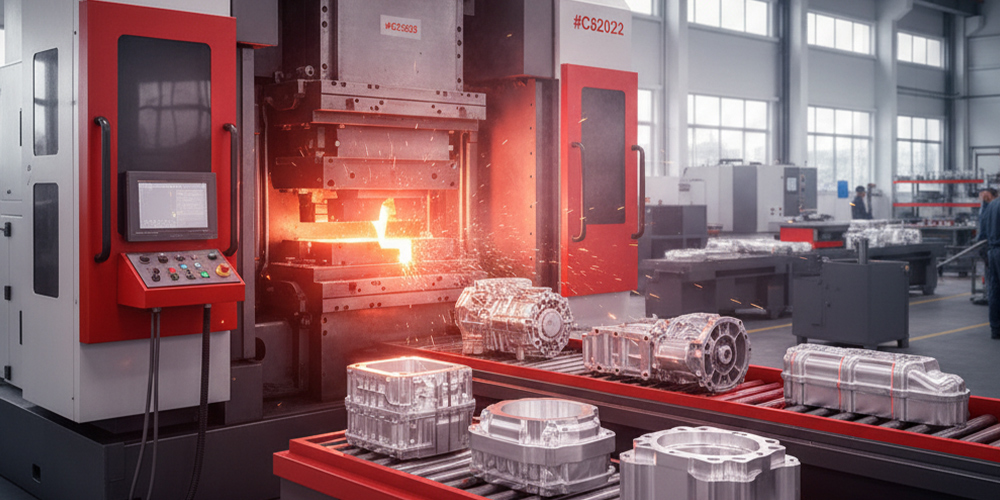
6061 aluminum sheet is a much more suitable choice for heavy-load applications due to its superior strength. This alloy is manufactured through extrusion and rolling processes and is commonly supplied in the T6 temper (heat-treated). In the aerospace and automotive industries, 6061 aluminum is widely used for manufacturing complex structural components. It is also commonly used in the production of bicycles and sports equipment, as it provides an excellent balance between strength and lightweight performance.
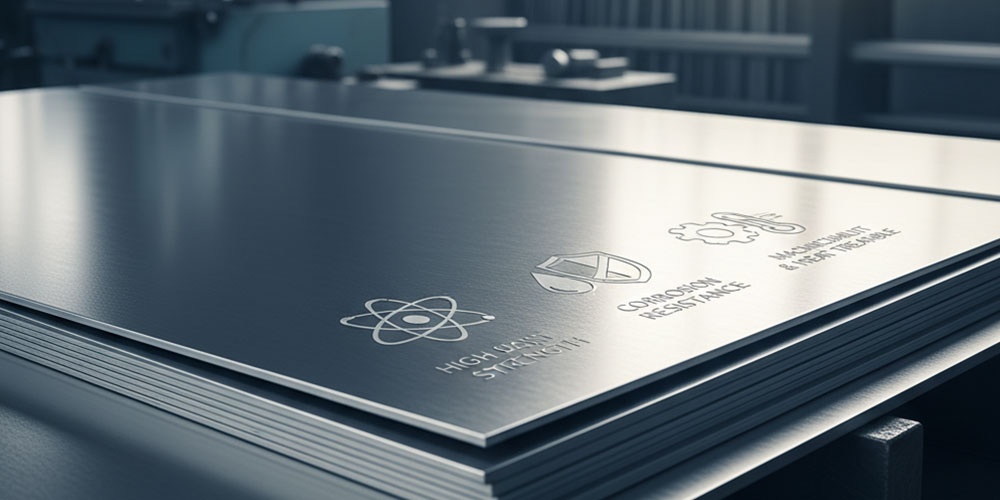
Specifications of 6061 Aluminum Sheet
6061 aluminum sheet offers a tensile strength of approximately 290 MPa and a yield strength of around 240 MPa, making it an excellent choice for engineering and structural applications. The key specifications of 6061 aluminum sheet include an elastic modulus of 68.9 GPa and a Brinell hardness of approximately 95, contributing to its outstanding durability and mechanical performance. One of the main differences between 1050 and 8011 aluminum sheets compared with 6061 is that 6061 is heat-treatable, allowing its hardness and strength to be significantly increased through heat treatment.
The thermal conductivity of 6061 aluminum sheet is approximately 167 W/m·K, while it also offers good corrosion resistance. It is manufactured in thicknesses ranging from 1 mm to 50 mm, and its surface is well suited for a variety of coating and finishing applications. Thanks to its excellent machinability, 6061 aluminum sheet is ideal for precision machining and is widely used across a broad range of industries.
Difference Between 1050 and 8011 Aluminum Sheets: Introduction to 8011 Aluminum Alloy
8011 aluminum alloy, a member of the 8000 series, is engineered with the addition of iron (0.6–1.0%) and silicon (0.5–0.9%) to enhance its mechanical properties and corrosion resistance. Owing to its excellent flexibility and durability, this alloy is widely used in the production of aluminum foil and industrial packaging. One of the main differences between 1050 and 8011 aluminum sheets lies in their chemical composition and intended applications. In general, 8011 aluminum alloy, with its higher alloying element content, is better suited for use in chemical and high-humidity environments.
Compared to the specifications of 6061 aluminum sheet, which emphasize high strength, 8011 aluminum sheet is better suited for applications that require excellent formability and superior corrosion resistance. This alloy is manufactured through a precision rolling process and is most commonly supplied in the O (annealed) temper, allowing for easy forming and fabrication. In the food industry, 8011 aluminum sheet is widely used to produce food and pharmaceutical packaging foils because it provides an excellent barrier against moisture, light, and other external contaminants.
This alloy is also widely used in the production of bottle caps and disposable food containers, as its smooth surface and excellent printability enhance the appearance and overall quality of the finished products. In addition, its high recyclability makes 8011 aluminum alloy a sustainable material that supports environmental conservation and helps reduce industrial waste.
Specifications of 8011 Aluminum Sheet
8011 aluminum sheet has a tensile strength of approximately 120–150 MPa and an elongation of up to 25%, making it well suited for applications that require excellent formability. Its Brinell hardness ranges from 25 to 50, providing a good balance between flexibility and durability, which makes it one of the most widely used aluminum alloys for industrial applications. One of the key differences between 1050 and 8011 aluminum sheets is their corrosion resistance. Thanks to the addition of iron and silicon, 8011 aluminum sheet offers superior performance in humid and chemically aggressive environments. With a thermal conductivity of approximately 237 W/m·K and high electrical conductivity, it is also an excellent choice for a variety of industrial applications.
8011 aluminum sheet is typically manufactured in thin gauges, and its smooth surface makes it highly suitable for printing, lamination, and other surface-finishing processes. It also offers excellent weldability and anodizing properties, enabling the production of products with an attractive and durable appearance. Its low density helps reduce overall product weight, making it especially valuable for lightweight packaging applications. Furthermore, 8011 aluminum sheet provides excellent oxidation resistance, making it an ideal material for manufacturing bottle caps, food containers, and other packaging products. These characteristics make 8011 aluminum sheet a key choice for industries that require high surface quality, chemical resistance, and reliable performance.
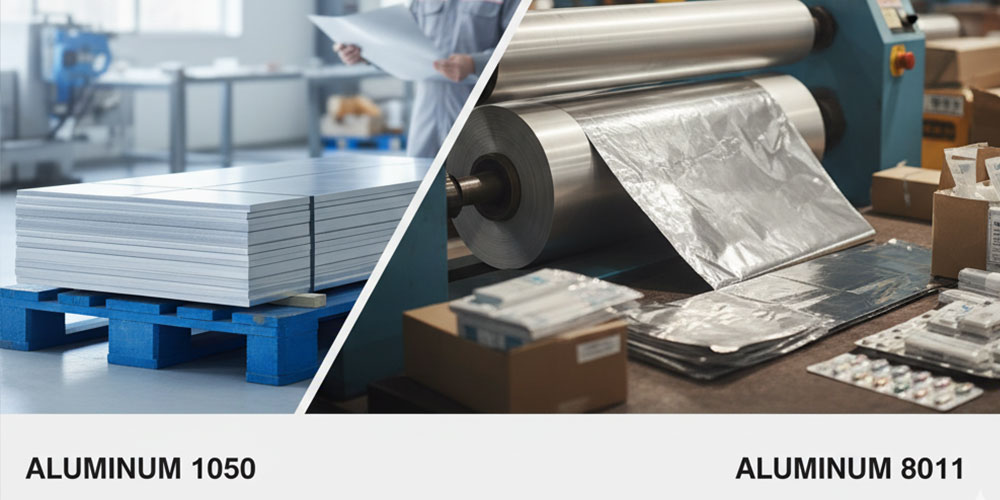
Comparison Between 1050 and 8011 Aluminum Sheets
The differences between 1050 and 8011 aluminum sheets lie in their chemical composition, mechanical properties, and primary applications. 1050 aluminum alloy, with a purity of more than 99.5%, offers excellent electrical and thermal conductivity, but it has relatively lower mechanical strength. In contrast, 8011 aluminum alloy, strengthened with iron and silicon, provides improved corrosion resistance, making it more suitable for humid and chemically demanding environments. When compared with these two alloys, 6061 aluminum sheet stands out for its significantly higher strength, whereas 8011 aluminum sheet remains the preferred choice for packaging, aluminum foil, and related applications due to its superior formability and barrier properties.
1050 aluminum sheet is commonly used for general-purpose applications such as cookware, kitchen utensils, and electrical cables, thanks to its excellent formability and high electrical conductivity. In contrast, 8011 aluminum sheet is widely used in the production of food and pharmaceutical packaging foils due to its superior resistance to moisture and chemical exposure. While 1050 aluminum sheet offers better formability, 8011 aluminum sheet provides greater oxidation resistance and improved performance in demanding environments. Ultimately, the choice between these two alloys depends on the specific requirements of the application. If cost-effectiveness and flexibility are the primary concerns, 1050 aluminum sheet is the more suitable option. However, for applications requiring enhanced chemical resistance and durability, 8011 aluminum sheet is the better choice.
|
| 1050 Aluminum Sheet |
|
| Chemical Composition | Over 99.5% Aluminum | |
| Tensile Strength | MPa55–75 | 120–150 MPa |
| Corrosion Resistance | Good in general environments | Excellent in humid and chemically aggressive environments |
| Packaging, Foil | ||
| Approximate Price | Lower | Slightly Higher |
Difference Between 6061 and 8011 Aluminum Sheets
The difference between 6061 and 8011 aluminum sheets primarily lies in their strength, chemical composition, and intended applications. 6061 aluminum sheet, alloyed with magnesium and silicon, offers a tensile strength of approximately 290 MPa and is heat-treatable, making it an excellent choice for structural and engineering applications. In contrast, 8011 aluminum sheet, alloyed with iron and silicon, is specifically designed for foil, packaging, and related applications, offering greater flexibility and excellent formability.
The specifications of 6061 aluminum sheet are primarily focused on strength, durability, and structural performance, whereas 8011 aluminum sheet offers superior corrosion resistance, particularly in chemical and humid environments. Unlike the difference between 1050 and 8011 aluminum sheets, which is mainly based on aluminum purity, the comparison between 6061 and 8011 centers on mechanical strength versus formability and packaging performance. 6061 aluminum sheet is widely used in the aerospace, automotive, and load-bearing structural industries. In contrast, 8011 aluminum sheet, which is professionally manufactured by Tolou Nourd Pars with high quality and competitive pricing, is primarily used for food and pharmaceutical packaging applications.
| Feature | 8011 Aluminum Sheet | |
| Chemical Composition | ||
| 8011 120–150 MPa | ||
| Heat Treatability | ||
| Primary Applications | Structures, Automotive | Packaging, Food Industry |
| Hardness | Lower |
Difference between 1050 and 6061 aluminum sheets
The difference between 1050 and 6061 aluminum sheets lies in their purity, strength, and applications.
1050 aluminum sheet, with a purity of 99.5% aluminum, offers high electrical conductivity and excellent formability, but it has relatively low strength.
In contrast, 6061 aluminum sheet, strengthened with magnesium and silicon, provides a much higher tensile strength of around 290 MPa. Its specifications focus on durability and heat treatability, making it suitable for structural and engineering applications.
While the difference between 1050 and 8011 aluminum sheets is mainly related to chemical resistance, 6061 aluminum sheet is significantly stronger and is widely used in aerospace and automotive industries.
In general, 1050 is used for cookware and cables, while 6061 is preferred for aerospace, automotive, and structural components.
| Feature | Aluminum | |
| Chemical Composition | 0.6% silicon, 1% magnesium | |
| Tensile strength | 290 MPa | |
| Heat Treatability | 6061 Aluminum Sheet: Yes | |
| Primary Applications | 8011 Aluminum Sheet: Electrical, General applications | |
| Electrical Conductivity | 8011 Aluminum Sheet: Higher |
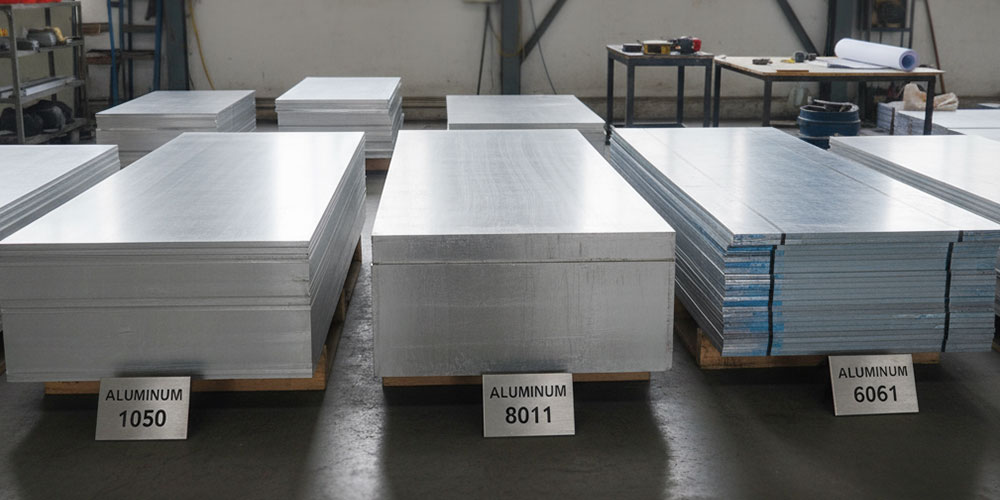
Factors affecting the price of 1050, 8011, and 6061 aluminum sheets
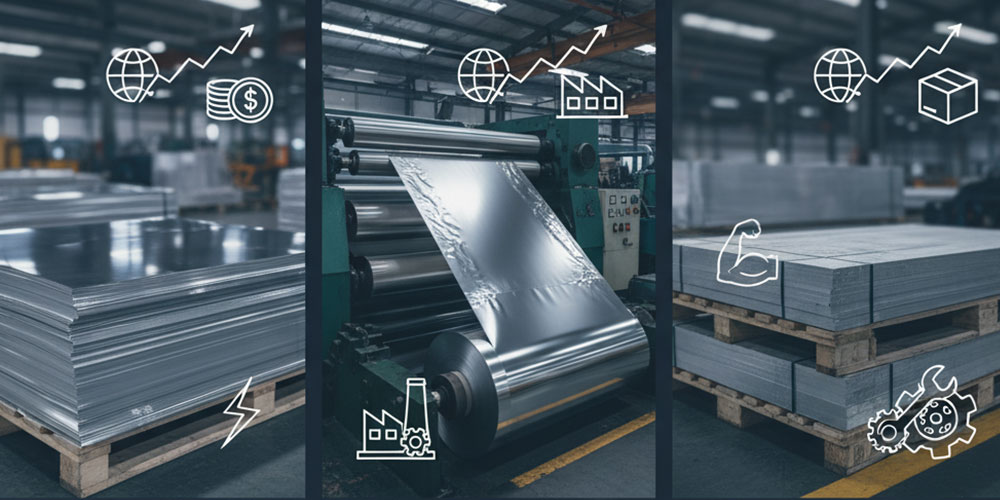
The price of 1050 aluminum sheet is influenced by many factors. The global price of raw aluminum, which fluctuates based on supply and demand in industries such as automotive, construction, and packaging, plays a major role. In general, increased demand for lightweight aluminum can drive sheet prices higher.
In addition, the difference between 1050 and 8011 aluminum sheets is reflected in production costs, as 1050 aluminum sheet is more economical due to its higher purity and simpler manufacturing process. Energy costs, especially in the rolling process, also significantly affect the final price, since producing thinner sheets is more energy-intensive.
Import tariffs and currency fluctuations also significantly affect pricing. Sheet thickness and order volume are additional key factors in determining cost, with thinner sheets generally being more expensive due to more complex production processes. Surface quality and finishing operations such as anodizing further increase expenses. Overall, the price of 8011 aluminum sheet is also influenced by strong demand from the food and pharmaceutical industries, where it is widely used for packaging foils.
Adding iron and silicon to aluminum alloys increases production costs compared to 1050 aluminum sheet, mainly because the alloying and refining processes are more complex. In addition, import tariffs and logistical restrictions, especially in sanctioned regions, further drive up prices. Choosing reliable suppliers for purchasing aluminum sheets and discs also has a significant impact on overall costs, as quality assurance and standard compliance often come at a higher price.
Conclusion
Selecting the appropriate alloy among 1050, 6061, and 8011 aluminum sheets has a direct impact on the success of industrial projects. The difference between 1050 and 8011 aluminum sheets lies mainly in purity and corrosion resistance. 1050 aluminum sheet, with its high electrical conductivity, is suitable for general applications, while 8011 aluminum sheet is ideal for resistant packaging foils. The specifications of 6061 aluminum sheet focus on high strength and heat treatability, making it more suitable for engineering structures and automotive applications. The price of 1050 aluminum sheet is more economical, while 6061 and 8011 offer higher value for specialized applications. Ultimately, the choice of alloy depends on project requirements, including budget, operating environment, and mechanical demands.
Purchasing aluminum sheets and aluminum discs from a reliable supplier ensures consistent quality and compliance with industry standards. With more than four decades of experience in the aluminum rolling industry, Tolou Nourd Pars is recognized as one of Iran’s leading manufacturers of aluminum sheets and aluminum discs. The company specializes in producing thin aluminum discs and offers high-quality products in 1050 and 8011 alloys, available in a wide range of dimensions and thicknesses. For more information or to purchase the right aluminum sheet for your application, please contact Tolou Nourd Pars.