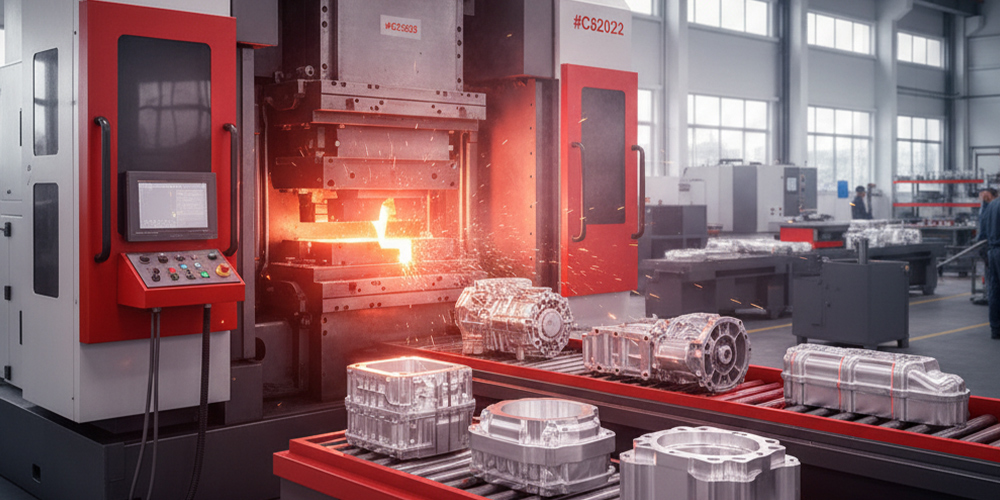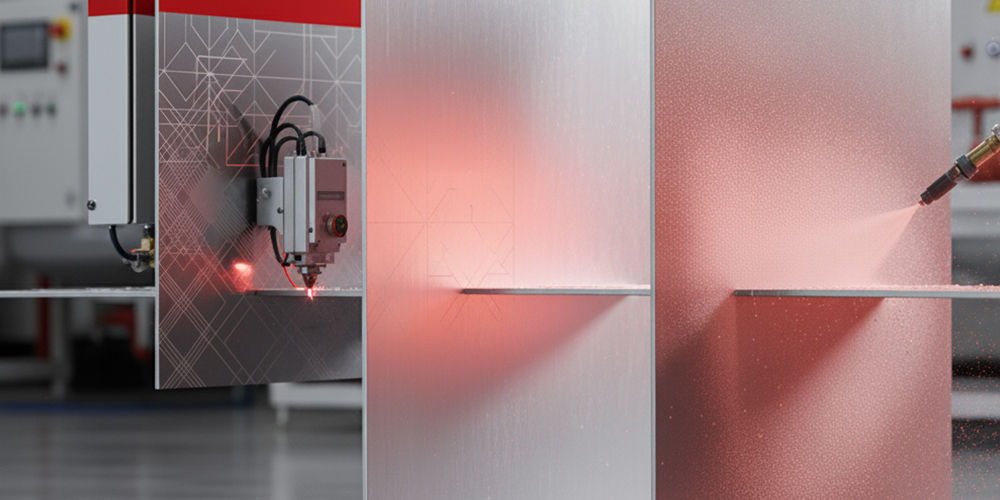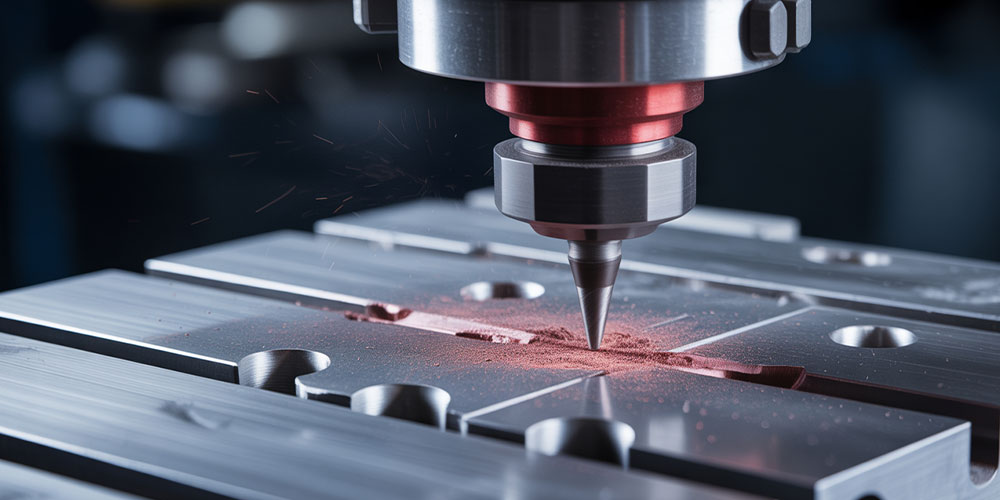
Across various industries, aluminum machining is a popular choice due to the material’s lightweight nature, corrosion resistance, and high thermal conductivity. However, achieving optimal performance and reducing costs requires careful attention to technical and operational considerations. In this article from Tolou Navard Pars, we introduce the appropriate tools for aluminum machining and examine key aluminum machining considerations across different applications, providing practical and technical insights to help users approach the process more effectively.

The Secret to Choosing the Right Tools for Aluminum Machining
In the aluminum machining process, tool selection plays a key role in determining surface quality and production speed. If the wrong tool is selected, problems such as chip adhesion, burr formation, and reduced tool life can quickly occur. For this reason, choosing the right tool is one of the most critical decisions when machining aluminum.
Using appropriate carbide or HSS (High-Speed Steel) tools with specialized coatings can deliver better machining results. Tools with a positive rake angle and polished surfaces help reduce friction and prevent the formation of built-up edges (BUE).
In addition, using multi-edge cutting tools and inserts can improve efficiency in turning and milling operations. One of the most important considerations when selecting tools for aluminum machining is the tool geometry and sharpness of the cutting edges. Dull or poorly designed tools can increase heat generation and vibration, ultimately reducing surface quality. Therefore, selecting specialized tools based on the specific machining operation is essential for achieving optimal performance and consistent results.
The Golden Settings: Cutting Parameters for Aluminum Machining
Setting the correct cutting parameters in aluminum machining has a direct impact on product quality and overall productivity. Cutting speed, feed rate, and depth of cut are the three primary factors that, when properly adjusted, can improve surface quality while significantly extending tool life.
When selecting the appropriate tools for aluminum machining, the cutting parameters should be matched to the tool material and geometry. Carbide tools, due to their high heat resistance, can withstand higher cutting speeds.
In contrast, HSS tools require lower cutting speeds, but can still deliver satisfactory performance when used with an appropriate feed rate. One of the most important considerations when setting cutting parameters for aluminum machining is maintaining the right balance between cutting speed and feed rate.
If the cutting speed is too high while the feed rate is too low, the risk of built-up edge formation increases. On the other hand, an excessive depth of cut can lead to vibration and deformation of the workpiece.
Hidden Challenges in Aluminum Machining and Their Solutions
Although aluminum machining offers many advantages, the process can sometimes involve challenges that affect both production quality and efficiency. Some of these issues are related to the inherent properties of aluminum, such as its softness and tendency to adhere to cutting tools. Understanding these challenges and following proper aluminum machining practices are essential for effectively addressing them.
- Burr Formation: Unwanted sharp edges may form on the machined component.
- Thermal Deformation: Increased temperatures can cause distortion of the workpiece.
- Chip Adhesion to the Tool: Excessive friction can cause chips to stick to the cutting edge.
- Reduced Surface Finish Quality: Incorrect cutting speed settings or dull tools can result in increased surface roughness.
 Key Techniques for Improving Surface Quality in Aluminum Machining
Surface quality in aluminum machining is one of the key factors affecting the performance and service life of the final component. To achieve a smooth, burr-free surface, it is essential to use appropriate tools and machining techniques in addition to selecting the correct cutting parameters. Following proper aluminum machining practices can help reduce finishing costs and improve overall productivity.
- Preventing Built-Up Edge (BUE): When using the appropriate tools for aluminum machining, polished tool surfaces and positive rake angles help reduce the likelihood of chip adhesion and built-up edge formation.
- Selecting the Right Lubricant: Proper lubrication helps reduce friction and improve surface finish quality.
- Sharp, New Tools: Using dull tools can cause scratches and reduce the overall surface quality.
- Sharp, New Tools: Using dull tools can cause scratches and reduce the overall surface quality.
Best Drill Bit Selection for Aluminum Machining
One of the most important factors in successful aluminum machining is selecting the right drill bit. The drill should be designed to provide efficient chip evacuation while minimizing excessive friction. Due to aluminum’s soft and adhesive nature, using an unsuitable drill bit can increase the risk of chip adhesion and damage to the workpiece surface.
For drilling operations in aluminum machining, carbide or High-Speed Steel (HSS) drill bits with coatings such as TiN or TiB₂ are among the most suitable options.
These drill bits not only offer greater durability, but also provide consistent chip evacuation and help improve the final surface quality. For deep-hole drilling, the use of drills with internal coolant channels is also recommended.
One of the most important considerations when drilling aluminum is the drill point angle and sharpness of the cutting edges. Drill bits with a point angle of approximately 130 degrees and sharp cutting edges generally provide excellent performance when machining aluminum. In addition, proper lubrication during drilling helps reduce chip adhesion and extend tool life.
Ideal Cutting Speed for Aluminum Machining
Selecting the appropriate cutting speed in aluminum machining is a critical factor in achieving high surface quality and extending tool life. Due to aluminum’s high thermal conductivity, higher cutting speeds can generally be used compared with steel. However, incorrect cutting speed settings can lead to rapid tool wear or burr formation. When determining the optimal cutting speed, both the aluminum alloy type and the selected machining tool play an important role.
In general, higher cutting speeds are recommended for pure aluminum, while moderate speeds are more suitable for harder aluminum alloys. Carbide tools, due to their greater heat resistance, can operate effectively at higher cutting speeds, whereas HSS tools generally require lower speeds.
One of the most important considerations in aluminum machining is maintaining the proper balance between cutting speed and feed rate. If the cutting speed is too high while the feed rate is too low, friction and the risk of built-up edge (BUE) formation may increase. Conversely, excessively low cutting speeds can reduce surface quality and increase overall production time.
 The Role of Lubrication in Improving Aluminum Machining Efficiency
In aluminum machining operations, lubrication plays a crucial role in controlling heat, reducing friction, and improving surface quality. Due to aluminum’s high thermal conductivity, cutting temperatures can rise rapidly, and without proper lubrication, both surface finish and tool life can be significantly reduced.
Selecting the right tools for aluminum machining delivers maximum efficiency only when combined with proper lubrication. The use of emulsions, neat cutting oils, or modern techniques such as Minimum Quantity Lubrication (MQL) can reduce friction between the cutting tool and the workpiece while promoting more effective chip evacuation.
As a result, cutting tools remain sharp for longer periods, reducing tool replacement costs. Key considerations for lubrication in aluminum machining include selecting the appropriate lubricant, controlling the application rate, and ensuring the correct spray angle. Failure to properly manage these factors can lead to built-up edge formation or increased burrs. Therefore, proper lubrication not only improves surface quality but also enhances the overall efficiency of the machining process.
Differences Between Aluminum Alloys in the Machining Process
Not all aluminum alloys behave the same way during aluminum machining. Pure aluminum, due to its greater softness and ductility, has a higher tendency to adhere to cutting tools and form a built-up edge (BUE). In contrast, harder alloys, such as those in the 7xxx series, offer greater strength and require more precise machining conditions.
When machining different aluminum alloys, selecting the appropriate cutting tool is particularly important. Polished tools with anti-adhesion coatings are well suited for pure aluminum, while harder alloys generally require carbide tools or inserts with specialized geometries.
Incorrect tool selection can lead to premature tool failure or reduced surface quality. One of the most critical considerations when machining different aluminum alloys is adjusting the cutting parameters according to the hardness of the alloy. Higher cutting speeds are generally recommended for softer aluminum, while harder alloys require more controlled cutting speeds. Taking these differences into account can help increase productivity and reduce overall production costs.
The Importance of Tool Geometry in Successful Aluminum Machining
Tool geometry in aluminum machining has a direct impact on surface quality and tool life. Factors such as the rake angle, clearance angle, and number of cutting edges, when properly selected, can improve machining efficiency and help prevent issues such as built-up edge (BUE) formation.
Using aluminum machining tools with precise geometry facilitates chip evacuation and helps minimize excessive friction. Tools with a positive rake angle and polished surfaces generally provide the best performance when cutting aluminum.
In addition, selecting the appropriate number of cutting edges can help reduce vibration and improve surface quality. One of the key considerations when choosing tool geometry for aluminum machining is the type of machining operation. For turning operations, sharper rake angles are generally more suitable, while in milling, multi-edge cutting tools can provide greater efficiency. Failure to follow these principles may result in increased heat generation, reduced surface quality, and even tool failure.
Advanced Technologies in Tools for Aluminum Machining
Advancements in technology have significantly improved the quality and efficiency of aluminum machining. Modern cutting tools are designed with specialized coatings, optimized geometries, and advanced features to minimize traditional challenges such as chip adhesion and reduced tool life.
Using advanced aluminum machining tools with coatings such as DLC (Diamond-Like Carbon) or TiB₂ (Titanium Diboride) can provide a smoother surface finish and enable higher cutting speeds without significantly compromising tool life. In addition, modern carbide tool designs facilitate more efficient chip evacuation and contribute to improved overall machining performance.
One of the most significant benefits of using advanced technologies in aluminum machining is increased productivity and reduced operating costs. Advanced tools offer greater durability and require less frequent replacement, helping to minimize machine downtime. This is particularly important in high-volume industrial production, where improved efficiency can provide a significant competitive advantage.
 Specialized Tips for Different Aluminum Machining Operations
Different aluminum machining operations require specific techniques and specialized tools. Turning, milling, drilling, and threading each have their own requirements, and following the appropriate machining principles can improve both production quality and efficiency. Matching the right aluminum machining tool with the specific operation is essential for achieving optimal results.
- Turning: Sharp inserts with a positive rake angle help improve chip evacuation. Proper lubrication also helps prevent the formation of built-up edge (BUE).
- Milling: Selecting a milling cutter with the appropriate number of flutes helps reduce vibration. Proper toolpath design also contributes to improved surface finish quality.
- Drilling: Carbide or HSS drill bits with an appropriate point angle provide optimal performance. Effective chip evacuation also helps prevent the tool from jamming.
- Threading/Tapping: Using an effective lubricant helps reduce the risk of tool breakage. Precisely designed threading tools also improve thread quality and accuracy.
Safety precautions in aluminum machining
Safety in aluminum machining not only helps protect the operator’s health but also contributes to increased productivity. Sharp chips, machine noise, and the use of lubricants all carry risks that must be managed. Following aluminum machining safety guidelines in this area leads to a safer working environment.
- Sharp chips must be collected using appropriate tools to prevent injury to the operator.
- Lubricants can generate vapors or airborne particles. Using proper ventilation helps prevent respiratory problems.
- Goggles, gloves, and ear protection are essential requirements.
Conclusion
Success in aluminum machining depends not only on selecting the right tools but also on mastering techniques, parameters, and precise process control. Using suitable tools for aluminum machining along with following machining tips can lead to excellent surface quality, longer tool life, and reduced production costs. I hope that by applying the recommendations in this article, your aluminum machining projects will achieve better results.
Toloo Nourd Pars is the only producer of aluminum sheets with a width of 180 cm in Iran. For more information about products and purchasing, you can contact us through the “Contact Us” section.