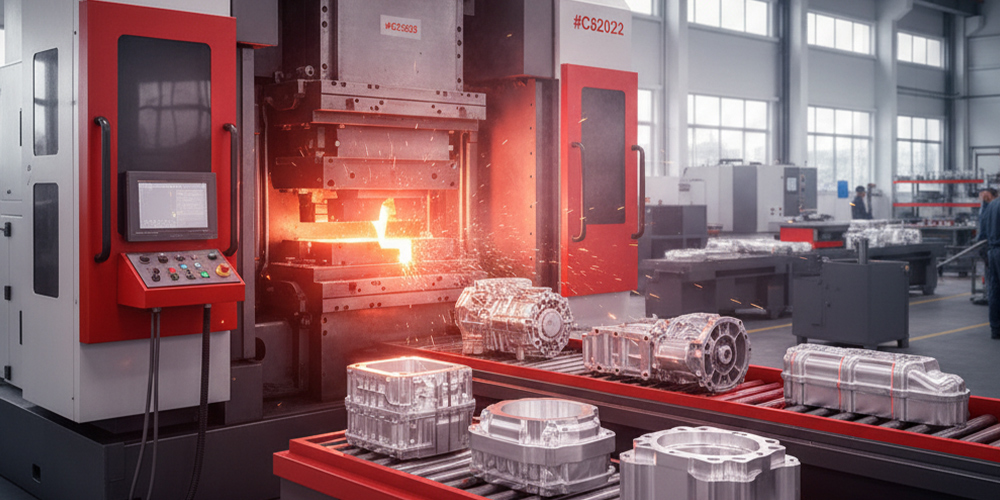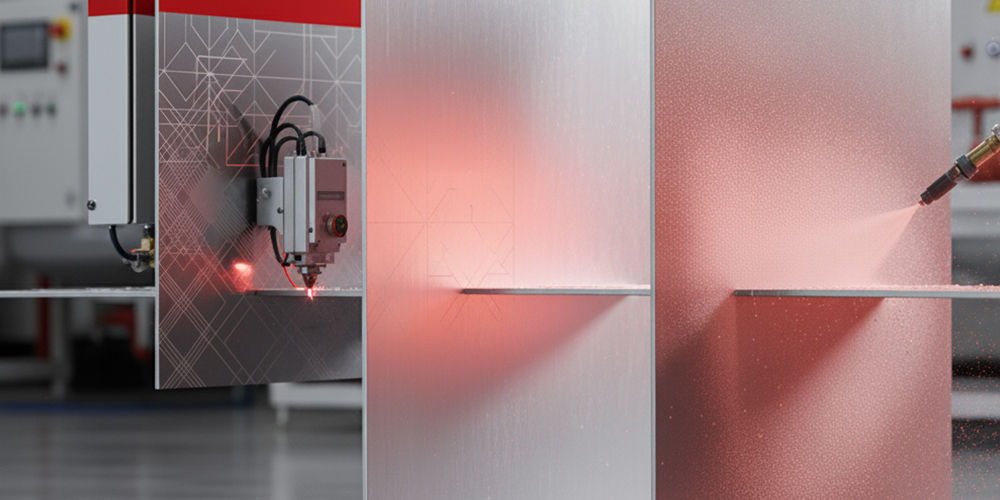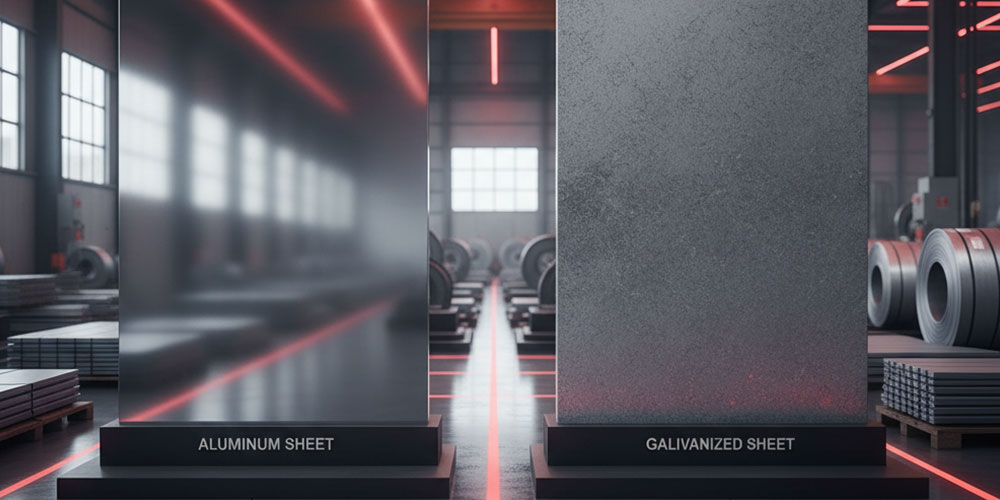
The comparison between aluminum sheets and galvanized steel sheets is not only crucial when selecting raw materials but also has a direct impact on the final performance of products in different operating environments. Understanding the applications of aluminum sheets in industry—particularly in sectors where lightweight construction and corrosion resistance are critical, such as aerospace and transportation—can provide a significant competitive advantage. At the same time, the benefits of galvanized steel sheets should not be overlooked. Thanks to their protective zinc coating, galvanized sheets offer enhanced durability while preserving the inherent strength of steel. In this article, Tolou Nourd Pars explores the key differences between aluminum and galvanized steel sheets to help you choose the most suitable material for your industrial applications.
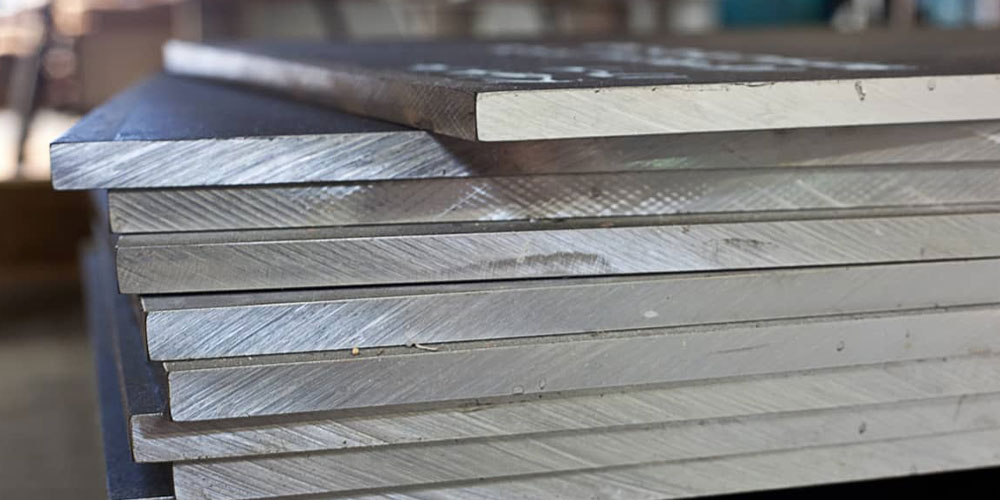
آشنایی کلی با ورق آلومینیوم و ورق گالوانیزه
In today’s industrial landscape, where manufacturers increasingly seek materials that are strong, lightweight, and durable, choosing between aluminum sheets and galvanized steel sheets has become a critical decision for engineers and fabricators. Each material offers distinct characteristics, advantages, and applications, and selecting the right one can significantly influence a project’s quality, service life, and overall cost. To better understand the differences between aluminum sheets and galvanized steel sheets from various perspectives, it is first important to become familiar with the fundamental properties and characteristics of each material.
1. What Is an Aluminum Sheet?
An aluminum sheet is manufactured from pure aluminum or its alloys and is widely valued for its lightweight nature, excellent corrosion resistance, and superior formability. These properties make it an ideal material for a broad range of industrial applications. The use of aluminum sheets in industry includes the production of automotive components, aircraft parts, household appliances, advertising panels, roofing systems, and even food packaging. This material naturally forms a thin layer of aluminum oxide on its surface, which acts as a protective barrier against corrosion. As a result, it offers considerable durability even without the need for additional paint or protective coatings.
2.Difference Between Aluminum Sheet and Galvanized Steel Sheet: What Is a Galvanized Sheet?
A galvanized steel sheet is essentially a steel sheet whose surface is coated with a layer of zinc (Zn) to protect it against corrosion and rust. This protective zinc layer shields the steel from oxidation when exposed to moisture or air. Due to its high mechanical strength and relatively low cost, galvanized steel sheets are widely used in construction, automotive manufacturing, container production, and various industrial equipment applications.
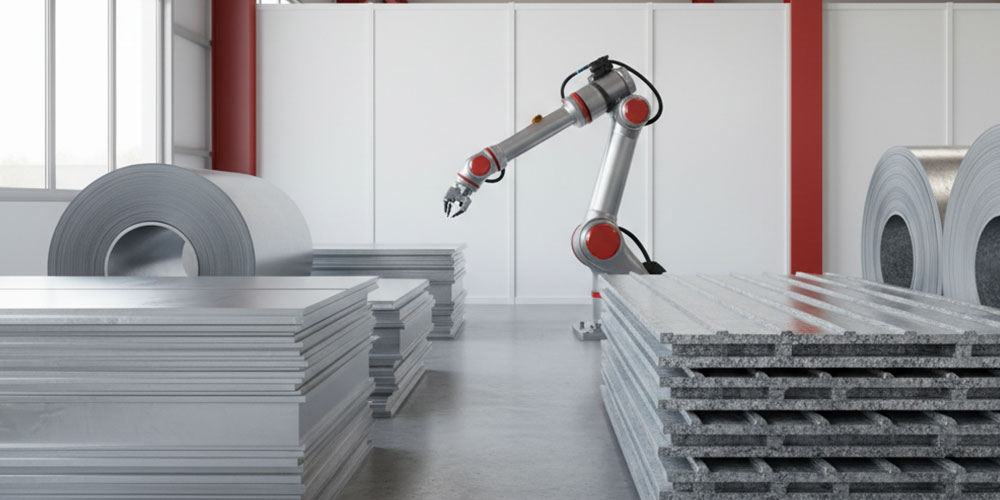
Differences Between Aluminum Sheet and Galvanized Steel Sheet: Everything You Need to Know!
The differences between aluminum sheets and galvanized steel sheets lie in their composition, weight, corrosion resistance, and industrial applications. Aluminum sheets are made from lightweight and durable aluminum, which naturally resists rust and corrosion. In contrast, galvanized steel sheets consist of steel coated with a layer of zinc to protect them from corrosion.
Aluminum is also lighter in weight, more formable, and has wider applications in aerospace, construction, and electronics industries. However, galvanized steel sheets are more commonly used in structural and construction projects due to their higher strength and lower cost. In the following section, a more detailed comparison between these two types of sheets is provided:
1. Differences Between Aluminum Sheet and Galvanized Steel Sheet in Terms of Composition and Structure
The most important difference between aluminum sheets and galvanized steel sheets lies in their chemical composition. Aluminum sheets are made from aluminum metal or its alloys, whereas galvanized steel sheets consist of a steel (iron-carbon alloy) base coated with a layer of zinc. This difference in composition leads to significant variations in weight, corrosion resistance, and thermal properties.
Structurally, aluminum is a lightweight and relatively soft metal with excellent formability, making it easy to bend and shape. In contrast, galvanized steel is harder and less flexible due to its steel base, which results in lower formability. Therefore, in applications that require extensive bending or deep forming processes, aluminum sheets are generally considered the more suitable option.
2. Corrosion Resistance and Environmental Performance
A key difference between aluminum sheets and galvanized steel sheets in terms of corrosion resistance is that aluminum is the clear winner. Aluminum is inherently resistant to moisture and air, and its natural oxide layer prevents corrosion from penetrating into the metal. For this reason, aluminum sheet applications in industry are much more extensive in humid, coastal, and industrial environments.
In contrast, galvanized steel sheets, despite having a zinc coating, are prone to rusting if the surface is scratched or damaged. In acidic environments or areas with high salt content (such as coastal regions), this protective coating gradually deteriorates over time, and the underlying steel begins to oxidize.
3. Difference in Weight and Density
Another important factor in comparing aluminum sheets and galvanized steel sheets is weight. The density of aluminum is approximately 2.7 g/cm³, whereas galvanized steel has a density of about 7.8 g/cm³. In simple terms, aluminum is roughly three times lighter than galvanized steel.
This property has made aluminum sheet applications in industry especially popular in sectors such as automotive, aerospace, and construction, as lower weight means reduced energy consumption, easier handling, and decreased structural load.
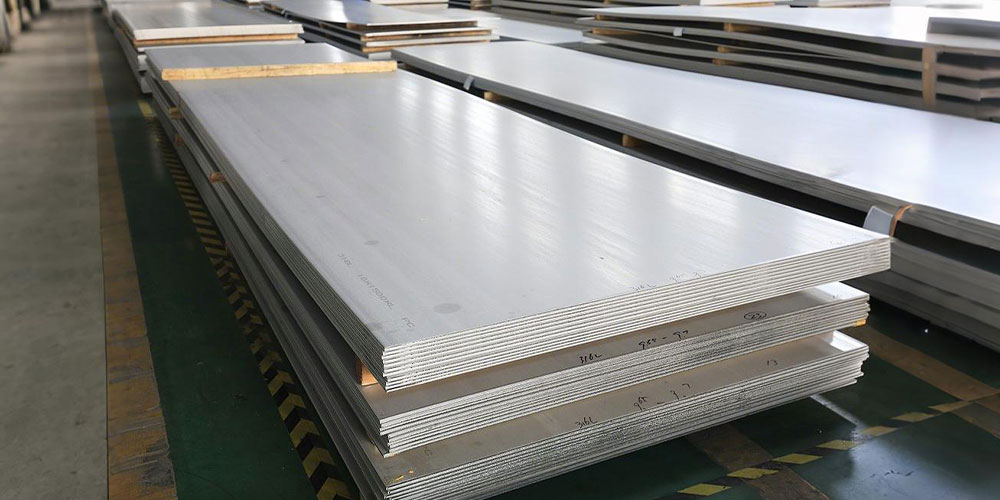
4.Difference Between Aluminum Sheet and Galvanized Steel Sheet; Thermal Resistance and Electrical Conductivity
From the perspective of thermal and electrical conductivity, there are significant differences between these two sheets. Aluminum sheets have very high thermal conductivity and are therefore widely used in radiators, air conditioners, heat exchangers, and electronic equipment. In addition, the high electrical conductivity of aluminum makes it suitable for power transmission cables as well. In contrast, galvanized steel sheets have much lower thermal and electrical conductivity and are not very efficient in applications where heat or electric current transfer is required.
5. Difference in Mechanical Strength and Durability
From the perspective of physical strength, galvanized steel sheets are generally more durable because they have a steel base. This material performs better in projects that require high resistance to impact or mechanical stress.
In contrast, aluminum sheets, while lightweight and corrosion-resistant, have lower hardness compared to galvanized steel. Therefore, in environments where heavy impact or high pressure is expected, they often require specialized alloys to perform effectively. However, it should be noted that aluminum maintains its shape better under temperature variations and environmental conditions, and it does not rust or corrode over time.
6. Price and Economic Efficiency
Price is also an important factor when comparing aluminum sheets and galvanized steel sheets. Galvanized steel sheets are generally cheaper and are considered a more economical option for projects with limited budgets. In contrast, aluminum is more expensive; however, due to its longer lifespan and lower maintenance costs, it can be more cost-effective in the long run. For example, in construction projects in humid or industrial environments, the higher initial cost of aluminum is often offset by its durability and long service life.
7. Industrial Applications of Aluminum and Galvanized Steel Sheets
Industrial applications of aluminum sheets are much broader than those of galvanized steel. Some of the most important applications include the following:
- Aerospace and Transportation Industries (Aircraft Bodies, Trains, and Vehicles)
- Construction Industry (Modern Building Facades and Lightweight Roofs)
- Manufacturing of Ventilation and Cooling Equipment
- Food Packaging Industry
- Manufacturing of Advertising Signage and Lightweight Structures
In contrast, galvanized sheet is mostly used in the following areas:
- Construction Industry (Pitched Roofs, Industrial Sheds, and Frames)
- Manufacturing of Ventilation Pipes and Ducts
- Manufacturing of Industrial and Agricultural Equipment
- Container Bodies and Heavy Vehicles
In fact, it can be said that aluminum is mostly chosen for its lightness, aesthetics, and corrosion resistance; whereas galvanized steel is used for mechanical strength and lower cost.

8.Environmental Impact and Recycling
From an environmental perspective, the difference between aluminum and galvanized sheets is also significant. Aluminum is a fully recyclable metal, and its recycling process requires only 5% of the energy needed for initial production. This characteristic has led to an increased use of aluminum sheets in eco-friendly industries. Galvanized sheets are also recyclable; however, their recycling process is more complex and energy-intensive due to the presence of the zinc coating.
9. Service Life of Aluminum and Galvanized Sheets
The service life of aluminum sheets is typically between 30 to 50 years, whereas galvanized sheets last between 15 to 30 years. The reason for this difference is aluminum’s natural resistance to corrosion and oxidation; meanwhile, galvanized sheets become prone to rusting over time and if the zinc coating is damaged.
In humid, industrial, or marine environments, aluminum sheets perform significantly better and require less maintenance. For this reason, in industries where structural lifespan and stability are of high importance, using aluminum is considered a cost-effective and reliable option.
Daily Price of Aluminum Sheet
It is worth noting that the daily price of aluminum sheets depends on various factors, including fluctuations in the global metals market, exchange rates, thickness, and the aluminum alloy. Since aluminum is a widely used metal in various industries, its price changes are typically a function of the London Metal Exchange (LME) and global economic conditions.
Compared to galvanized sheets, the price of aluminum sheets is usually higher; however, its high durability, lightweight, and natural resistance to rust compensate for this cost in the long run. Overall, aluminum is an economical choice for industries where durability, low weight, and aesthetic quality are of greater importance.
Advantages and Disadvantages of Aluminum Sheets
To better understand the difference between aluminum and galvanized sheets, we will examine the advantages of aluminum sheets below. Key advantages of aluminum sheets include their lightweight nature, high corrosion resistance, excellent formability, and 100% recyclability. These characteristics have led to the widespread use of aluminum sheets across various industries, particularly in the manufacturing of automobiles, aircraft, household appliances, and construction equipment.
On the other hand, the disadvantages of aluminum sheets include a higher price compared to galvanized sheets, susceptibility to scratching, and high thermal conductivity, which requires additional insulation in certain applications. Nevertheless, its long durability and aesthetic appeal lead many industries to continue preferring aluminum as their primary choice.
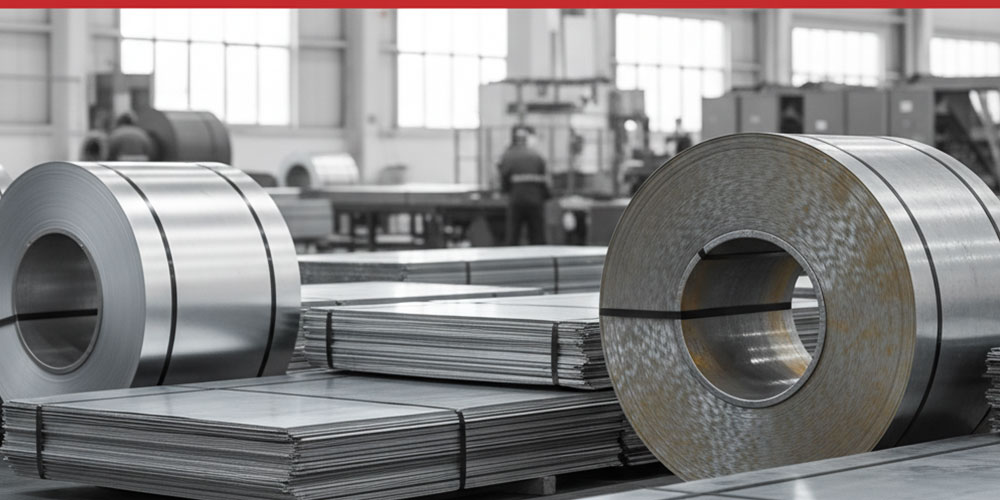
Comparison Table: Differences Between Aluminum and Galvanized Sheets
In the table below, the differences between aluminum sheets and galvanized sheets are compared in terms of material, application, resistance, price, and other technical specifications. This table will help you make a more suitable choice for your industrial needs by providing a more precise understanding of each material’s characteristics.
| Features | Aluminum Sheet | |
| Made of pure aluminum or its alloys | Steel with a zinc (Zn) coating for corrosion resistance | |
| Weight | Extremely lightweight (about one-third of steel) | |
| Corrosion Resistance | ||
| More expensive than galvanized sheet | Cheaper and more economical | |
| Service Life | Between 30 to 50 years | |
| Aerospace, automotive, household appliances, and building facades | Construction, industrial shed construction, roofing, and machinery bodies | |
| High formability and capable of precise machining | ||
| Maintenance and Repair | Requires very little maintenance | |
| Aesthetic Appearance | Shiny and modern surface with high reflectivity | |
| Recyclability | Completely recyclable and eco-friendly | |
| High thermal conductivity (requires insulation in some applications) | ||
| Higher initial cost but longer durability |
Aluminum sheet or galvanized sheet: which is better?
In conclusion, choosing between these two sheets depends on the type of project, environmental conditions, and budget. If your goal is high durability against moisture, lightweight properties, and aesthetic appearance, aluminum is definitely the better choice; however, if high mechanical strength and cost-effectiveness are more important to you, galvanized sheet will be a suitable option.
Considering all these factors, it can be said that in modern and industrial projects requiring long-term durability, the use of aluminum is more justifiable. On the other hand, in structural projects or mass production, galvanized sheet is a more rational choice due to its lower cost and high strength.
Conclusion
For making the right choice in any project, a detailed analysis of the differences between aluminum sheets and galvanized sheets is necessary so that the best match between material properties and environmental requirements can be achieved. While the focus on the use of aluminum sheets in industry is oriented toward weight reduction and thermal conductivity, relying on the advantages of galvanized sheets in industry—such as higher strength and lower cost compared to aluminum in many structural applications—remains an engineering necessity.
For purchasing various types of high-quality aluminum sheets at the most cost-effective prices, you can get in touch with our sales experts through the “Contact Us” section of Nourd Pars.